

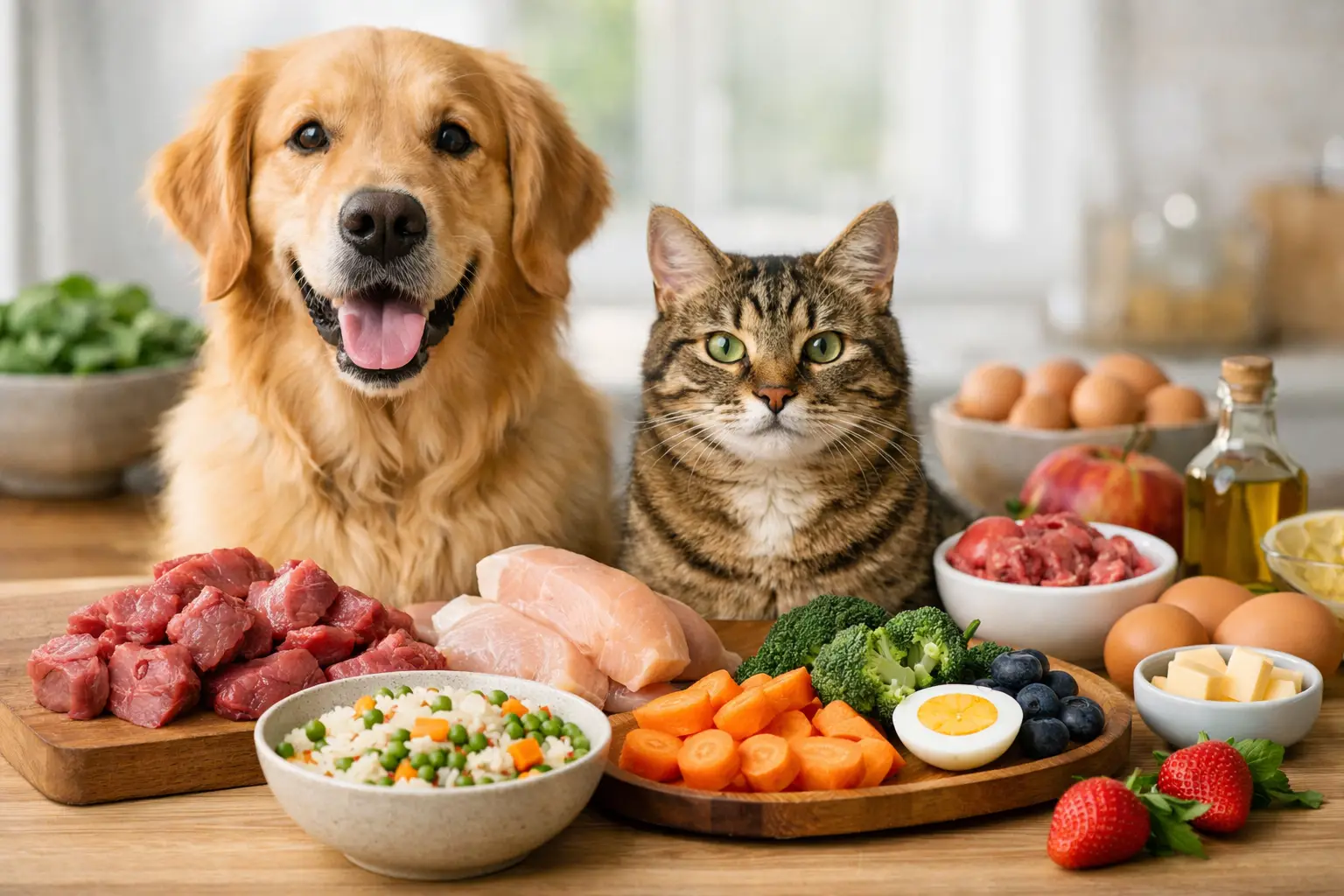
A bowl can look impressive and still leave a pet short on the nutrients that matter. That is why a guide to human grade pet food needs to go beyond the words on the package. Pet owners deserve to know what is in the food, how it was handled, whether it is balanced for daily feeding, and what a realistic transition looks like for their dog or cat.
Human-grade feeding can be a meaningful step away from anonymous ingredients and heavily processed formulas. But it is not a shortcut. The best choice is one that combines quality ingredients, nutritional balance, safe handling, and a feeding plan you can actually maintain.
What Human Grade Pet Food Really Means
At its most useful, human grade means the ingredients are sourced from the same quality supply chain intended for people and handled with care. You should be able to recognize the food: meat, organs, vegetables where appropriate, and purposeful nutritional additions rather than vague catch-all terms.
The phrase matters because ingredient quality affects transparency. If a company can clearly tell you what protein is in the meal, where it comes from, and why each component is there, you have a much better starting point than you do with a label built around mystery meals, fillers, and artificial color.
Still, human grade is not a complete nutrition claim. A meal made with excellent chicken, beef liver, and produce can be unbalanced if it does not contain the right calcium-to-phosphorus ratio, essential fatty acids, vitamins, and trace minerals. Quality and completeness need to work together.
For dogs and cats, the standard should be simple: real, identifiable ingredients prepared to a high standard, then formulated for the animal eating them.
Human Grade Does Not Automatically Mean Complete and Balanced
This is the point many well-meaning pet owners miss. A fresh meal may be made from beautiful ingredients, but feeding only muscle meat or random leftovers creates nutritional gaps over time. Pets need more than protein.
Dogs require an appropriate balance of protein, fat, minerals, and micronutrients based on their life stage, size, activity, and health. Cats are obligate carnivores, which means animal-based nutrition is not optional for them. They have particularly specific needs, including sufficient taurine and animal protein.
Ask whether a food is intended for supplemental feeding or for daily meals. If it is marketed as a complete diet, the company should be able to explain how the recipe is balanced. That does not mean every pet needs the same formula. Puppies, kittens, pregnant pets, seniors, and animals managing medical conditions may need a more tailored approach.
A responsible food company will not pretend one recipe is perfect for every animal. They will help you consider your pet’s age, current weight, body condition, activity level, and any veterinary guidance already in place.
Why Organs and Bone Matter in Raw Meals
A properly designed raw diet is more than chunks of meat. Organ meats provide concentrated nutrients, while appropriately included edible bone or a carefully measured calcium source helps support mineral balance. The goal is not to toss in ingredients because they sound natural. The goal is to create a consistent meal that supports the body over the long haul.
That consistency is one reason ready-to-eat raw meals can be practical. It removes much of the guesswork that comes with trying to build every bowl at home.
How to Read a Human Grade Pet Food Label
Start with the ingredient list, but do not stop there. The first few ingredients should identify the animal proteins clearly. “Beef,” “turkey,” and “chicken liver” tell you more than broad, unclear ingredient names.
Then look for practical information. A trustworthy producer should make it easy to understand the protein source, whether the recipe is intended as a complete meal, how it is stored, and how much to feed. If a company makes bold health claims but gives little detail about formulation or handling, slow down and ask questions.
You are also looking for transparency around sourcing. Local sourcing can be valuable when it gives the producer better oversight, fresher supply chains, and a clearer connection to the farms and processors involved. Local by itself is not a nutrition guarantee, but paired with quality standards and small-batch accountability, it can be a real advantage.
Avoid judging a food by one fashionable ingredient. Blueberries, turmeric, or a long list of superfoods do not make up for a diet that is poorly balanced. The foundation should always be appropriate animal protein, usable nutrients, and a recipe made for your pet’s species.
Raw Food Requires Responsible Handling
Raw feeding is not difficult, but it does require kitchen discipline. Treat your pet’s food with the same care you would give raw meat for your own household.
Keep frozen food frozen until you are ready to thaw it. Thaw portions in the refrigerator, not on the counter. Wash hands, bowls, utensils, and prep surfaces after handling. Discard leftovers that have sat out too long, especially in warm weather, and do not refreeze thawed food unless the producer’s instructions specifically allow it.
Portioning helps here. Individual or clearly measured containers make it easier to thaw only what you need, keep food fresh, and avoid waste. Reusable container programs can also reduce the steady pile of single-use packaging that often comes with premium pet food. The system only works when customers return containers clean and on schedule, but the payoff is less waste and lower packaging costs.
If someone in your home is immunocompromised, very young, elderly, or pregnant, talk with their healthcare provider and your veterinarian about raw-food handling. The same goes for pets with complex medical needs. Good nutrition decisions account for the whole household, not just the bowl.
Transition Slowly and Watch the Dog or Cat in Front of You
Switching from kibble to fresh or raw food is usually not a one-day change. Some pets adapt quickly. Others need a slower pace, especially if they have been eating the same processed food for years.
A common approach is to begin with a small portion of the new food mixed into the current diet, then gradually increase it over about seven to 10 days. Sensitive pets may need longer. Watch stool quality, appetite, energy, itching, and overall comfort. A temporary change in stool can happen during a transition, but ongoing vomiting, diarrhea, refusal to eat, or signs of discomfort are reasons to pause and seek veterinary guidance.
Do not overfeed just because the food is nutrient-dense and your pet loves it. Start with the producer’s feeding guidance, then adjust based on body condition. You should be able to feel your pet’s ribs with light pressure without seeing them sharply, and you should see an appropriate waist from above in most healthy adult dogs.
Cats can be especially particular about food temperature and texture. Serving a refrigerated meal slightly warmed by placing the sealed container in warm water can make it more appealing. Never microwave raw food in a way that creates hot spots or starts cooking parts of the meal.
The Real Trade-Off: Better Food Takes Planning
Human-grade raw food is not always the cheapest option at the register, and it is not designed for impulse buying. Freshness, frozen storage, sourcing standards, and small-batch production require coordination.
That does not mean it has to be out of reach. Scheduled group pickup and organized regional delivery help a small producer move food efficiently while keeping costs more reasonable than a retail model built around heavy packaging, warehouse storage, and constant shipping. For pet owners in areas served by Chew Dat Foods, planning orders around pickup deadlines is part of what makes premium raw feeding more practical.
The trade-off is straightforward: you plan ahead, make freezer space, and follow the pickup schedule. In return, you know where your pet’s meals come from and can feed real food without trying to source, formulate, and portion every ingredient yourself.
Questions Worth Asking Before You Buy
Before committing to a food, ask how the recipes are balanced, what proteins and organs are used, where ingredients are sourced, and how the food should be stored. Ask whether the food is appropriate for your pet’s life stage and whether feeding guidance is based on weight, activity, and body condition.
It is also fair to ask about logistics. How often is food produced? When is it frozen? What happens if you miss a pickup? Is delivery available in your area? Clear answers to these questions tell you a lot about whether a company is set up to protect product quality from production day through your pet’s meal.
Human-grade food should bring more clarity, not more confusion. Choose a producer that respects your questions, gives you direct instructions, and treats every meal as part of your pet’s long-term health. The best bowl is not the trendiest one. It is the one your pet can thrive on, and the one you can feed consistently with confidence.
Leave a Reply