

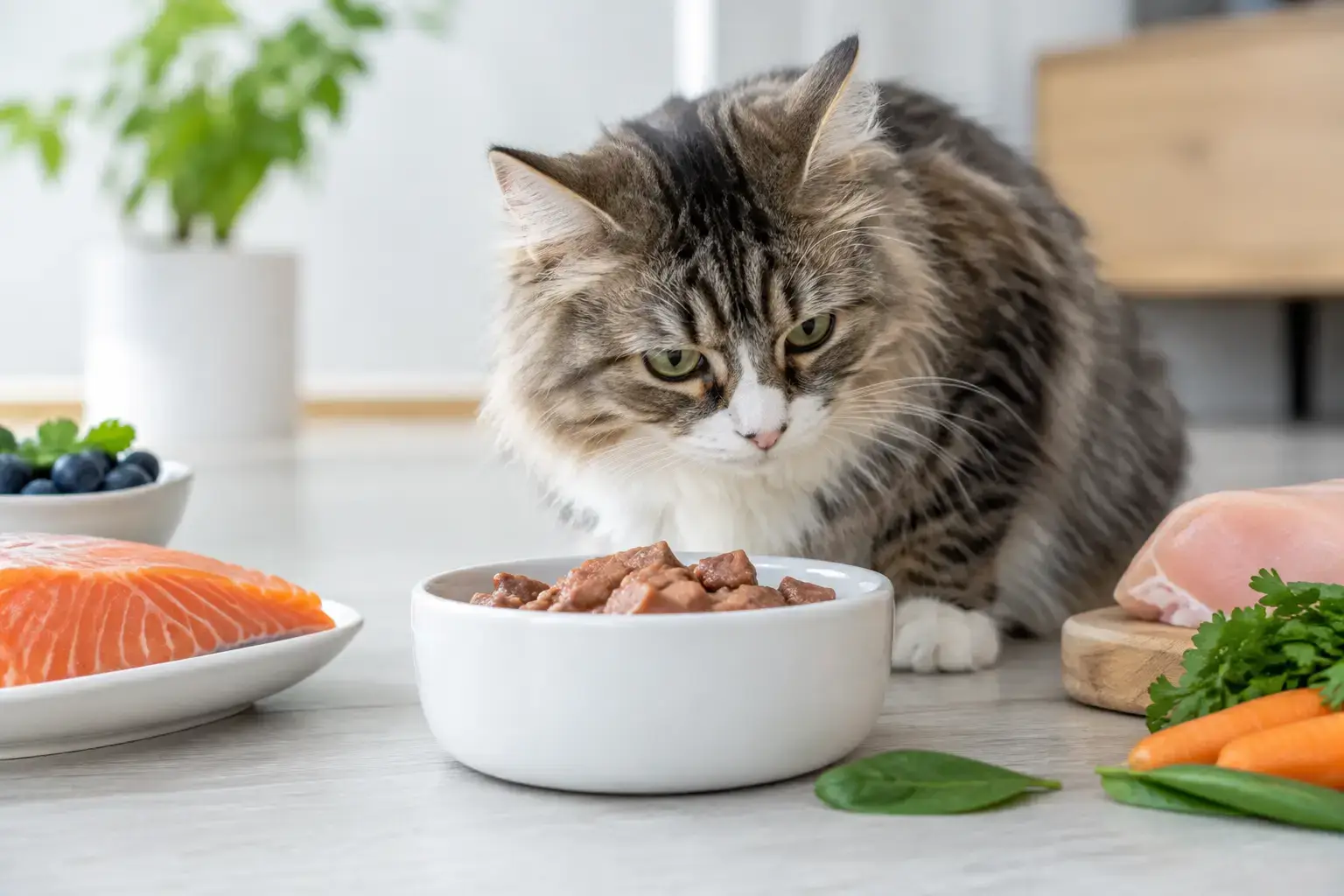
A cat that sniffs dinner, walks away, then begs for treats two hours later is not always being difficult. Cats can be selective for real reasons: a food’s smell, texture, temperature, past feeding routines, stress, dental discomfort, or an underlying health problem. The best foods for picky cats are not simply the richest or most heavily flavored options. They are complete, species-appropriate foods your cat will consistently eat and digest well.
That distinction matters. A few bites of a favorite treat are not a balanced diet. The goal is to find a meal that supports hydration, muscle maintenance, healthy skin and coat, energy, and long-term wellness without teaching your cat to hold out for something different at every feeding.
Start by Separating Pickiness From a Health Concern
Cats should not go long without eating. A sudden refusal of food, especially in an adult or overweight cat, can become serious quickly. Cats are vulnerable to hepatic lipidosis, or fatty liver disease, when they stop eating for an extended period. If your cat has eaten very little for 24 hours, is vomiting, hiding, drooling, losing weight, drinking more than usual, or showing signs of pain, contact your veterinarian promptly.
Even a cat with a long history of being selective may have a physical reason for avoiding a meal. Dental disease can make crunchy food uncomfortable. Nausea, constipation, kidney disease, food sensitivities, and changes in smell or taste can all affect appetite. Rule those out before assuming your cat is just holding out for better options.
Once your cat is medically cleared, feeding strategy and food quality can make a real difference.
What Makes a Food Worth Trying?
Cats are obligate carnivores. Their bodies are built to get key nutrients from animal ingredients, including taurine, preformed vitamin A, arachidonic acid, and highly digestible protein. For a picky cat, the most successful meals usually have a clear animal-protein foundation, enough moisture, and a texture the cat recognizes.
Look for a food labeled complete and balanced for your cat’s life stage. That wording is not filler. It means the recipe is formulated to provide the nutrients cats need, rather than functioning as a topper, treat, or occasional meal. A simple ingredient list can be a good sign, but simplicity alone does not make a food nutritionally complete.
Moisture deserves attention too. Many cats naturally have a low thirst drive. Wet, fresh, and properly formulated raw foods can help increase water intake through the meal itself, while dry foods generally contain far less moisture. For cats prone to urinary issues or constipation, that difference may be particularly useful, although dietary changes should be discussed with a veterinarian when a medical condition is involved.
The Best Foods for Picky Cats Usually Fit One of These Profiles
Complete wet food with a strong meat aroma
For many selective cats, a quality canned or fresh wet food is the easiest first move. It has moisture, a stronger aroma than dry food, and softer textures that can be easier for cats with mild dental sensitivity. Pate-style foods work well for cats that dislike chunks, while shredded or minced recipes may appeal to cats that want distinct pieces of meat.
Serve wet food at room temperature or gently warm it to bring out the aroma. Food straight from the refrigerator can smell muted and may be less appealing. Never microwave a meal in its container or heat it until hot. A brief warm-water bath or a small amount of warm water mixed in is usually enough.
Balanced raw food for cats that prefer real-food texture
Some picky cats respond well to a complete raw diet because the smell and texture are closer to fresh animal food than heavily processed meals. The key word is complete. Plain ground meat, chicken breast, or a bowl of muscle meat is not a balanced long-term cat diet. Cats need the correct balance of protein, fat, organs, minerals, and essential nutrients.
A ready-to-eat raw meal formulated specifically for cats removes much of the guesswork from raw feeding. It should be handled carefully, kept properly refrigerated or frozen, and served in clean dishes. Owners should also consider their household circumstances. Raw feeding requires disciplined food-safety practices, and extra caution is warranted in homes with immunocompromised people, very young children, or pets with health concerns.
Chew Dat Foods focuses on ready-to-eat raw meals made with human-grade, locally sourced ingredients for pet owners who want a practical alternative to conventional kibble. As with any new diet, confirm that the specific recipe is complete and balanced for feline feeding and transition gradually.
Limited-ingredient, single-protein options
If your cat repeatedly refuses foods after eating them for a few days, or seems to have digestive upset with certain recipes, a limited-ingredient option may help identify a preferred protein or reduce unnecessary variables. Turkey, rabbit, chicken, beef, and fish all have different aromas and fat profiles. A cat that turns down chicken may gladly eat turkey or rabbit.
Do not assume fish is the answer for every picky eater. Its strong smell can make it tempting, but fish-heavy diets are not always the best everyday choice. Use it thoughtfully, and avoid creating a situation where your cat will accept only one intensely flavored food.
Familiar food used as a bridge
The best meal on paper will not help if your cat refuses it completely. If your cat has eaten the same kibble for years, start with familiarity rather than a dramatic overnight switch. Mix a very small amount of the new food into the current meal, then increase it slowly as your cat accepts it.
A cautious transition may take seven to 14 days, and a more sensitive cat may need longer. If stools become loose, slow down. If your cat stops eating altogether, return to the last accepted ratio and speak with your veterinarian if the refusal continues.
Make the Meal More Appealing Without Creating a Bad Habit
A picky cat often benefits from a calmer feeding routine more than a cabinet full of new foods. Offer measured meals at consistent times in a quiet area, away from litter boxes, loud appliances, dogs, and household traffic. Use a shallow, clean dish. Some cats dislike their whiskers brushing deep bowl sides.
You can add a spoonful of warm water to a complete wet or raw meal, particularly if your cat enjoys a softer texture. A small amount of a familiar topper can also help during transition, but keep toppers modest. If every meal gets covered in treats, your cat may start rejecting the balanced food underneath.
Avoid leaving food out all day if you are trying to understand what your cat is actually eating. Timed meals let you monitor appetite, reduce food spoilage, and prevent a pattern of grazing followed by meal refusal. Raw and wet food should not sit out for extended periods. Pick up uneaten portions according to the food’s handling instructions and offer a fresh serving later.
What Not to Feed as a Long-Term Solution
Human foods can seem like an easy win when a cat is refusing dinner, but plain tuna, deli meat, cooked chicken, cheese, and treats are not complete meals. They can be useful in tiny amounts to encourage a transition, yet they should not replace balanced feline nutrition. Deli meats may be high in sodium, dairy can upset some cats’ digestion, and tuna-only feeding can create nutritional deficiencies.
Do not try to force hunger as a way to make a cat accept a new food. A healthy appetite is not a contest of wills. If your cat refuses a diet after reasonable transition efforts, reassess the recipe, texture, serving method, and medical picture rather than waiting them out.
Give One Good Plan Enough Time
Constantly rotating foods can make a selective cat more selective. Choose a complete food with an appropriate texture and protein, introduce it patiently, and keep the routine steady for several days unless your cat has digestive distress or refuses to eat. Track what was offered, what was eaten, stool quality, and any symptoms. That small record can reveal patterns you might otherwise miss.
The right food is the one that meets your cat’s nutritional needs, fits your household’s ability to handle it safely, and gets eaten consistently. Start with quality, make changes slowly, and let your cat’s appetite and condition guide the next adjustment.
Leave a Reply