

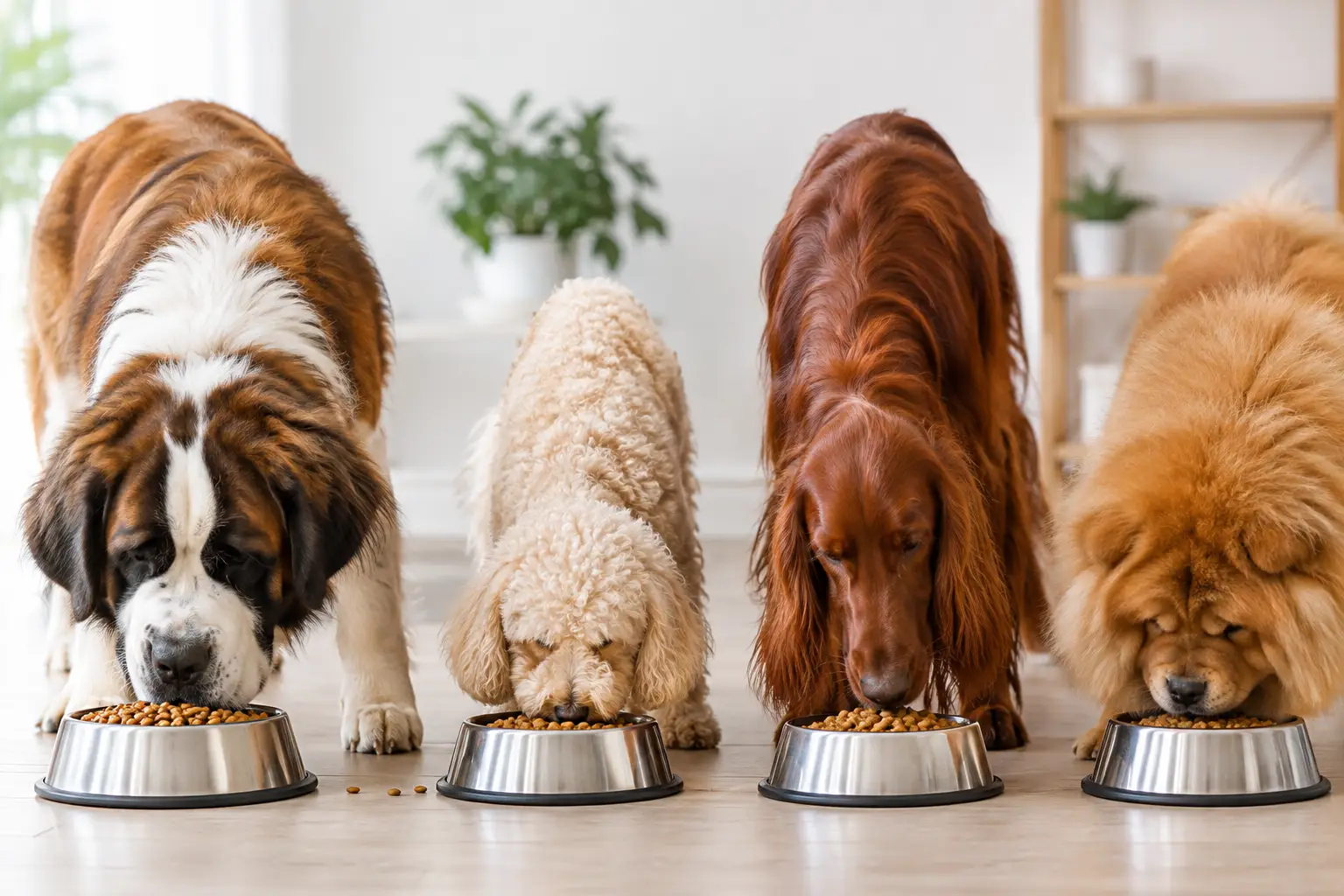
A pet does not need to act like a puppy or kitten forever to be thriving. Pet vitality looks different at every age, breed, and life stage. What matters is whether your dog or cat is comfortable in their body, engaged with their surroundings, eager for normal activity, and recovering well from the everyday demands of life.
That kind of health is rarely built by one supplement, one bag of food, or one good week. It comes from the steady work: feeding recognizable, appropriately balanced food, paying attention to behavior and stool quality, keeping pets moving, maintaining dental and veterinary care, and addressing changes before they become the new normal.
What Pet Vitality Actually Looks Like
Owners often notice vitality first in the obvious places. A dog may be ready for a walk, move easily when getting up, and settle comfortably afterward. A cat may groom normally, use the litter box consistently, show curiosity around the house, and maintain a healthy appetite without becoming frantic around food.
But energy alone is not the full picture. Some pets are naturally calm. Others are active even when something is off. A better measure is whether your pet is acting like their normal self and whether their body is supporting that normal behavior.
A vital pet commonly has clear, comfortable eyes; a coat and skin that are in good condition; regular bowel movements; healthy body condition; and a willingness to eat, rest, play, and interact on their usual schedule. These signs do not replace veterinary care, but they give you useful information between appointments.
The warning signs can be quieter. Repeated loose stool, constipation, persistent itching, a dull coat, bad breath, reluctance to jump or climb, unusual thirst, or a gradual loss of interest in activity all deserve attention. One off day can happen. A pattern is what calls for a closer look.
Food Is the Daily Foundation of Pet Vitality
Nutrition is not the only part of a healthy life, but it is the part you control most consistently. Every meal either supplies useful building blocks or asks the body to make do with less. For dogs and cats, quality animal protein, appropriate fats, moisture, and a properly balanced nutrient profile matter far more than flashy marketing on a package.
Ingredient transparency matters because pet owners should be able to recognize what they are feeding. Real meat, organs, and other purposeful ingredients offer a clearer starting point than vague labels and heavily processed formulas built around fillers. That does not mean every pet needs the exact same menu. Age, activity level, body condition, allergies, medical history, and species all affect what is appropriate.
Cats, in particular, are obligate carnivores with nutritional needs that should not be treated like a small dog’s needs. Puppies, kittens, seniors, pregnant pets, and animals managing medical conditions also need more individualized guidance. If your pet has pancreatitis, kidney disease, a history of urinary problems, immune compromise, or another diagnosed condition, involve your veterinarian before changing foods.
For healthy pets, a balanced raw diet can be a practical way to feed more recognizable ingredients and naturally moisture-rich meals. The word balanced is doing real work here. A bowl of plain ground meat is not a complete long-term diet. Neither is a random mix of meat, bones, and vegetables. A complete recipe must account for essential nutrients in the right proportions, not just look wholesome in the container.
At Chew Dat Foods, that principle is central: ready-to-eat raw meals should make real-food feeding more practical without asking owners to guess their way through formulation. Premium ingredients only serve the pet if the meal is designed and handled with consistency.
Transition Slowly and Watch the Pet in Front of You
Changing food too quickly is one of the easiest ways to create unnecessary digestive upset. A gradual transition gives the digestive system time to adjust and gives you a cleaner read on how the new food is working. Start by mixing a small amount of the new food with the current diet, then increase it over several days or longer as needed.
Some dogs and cats transition quickly. Others need a slower pace, especially if they have eaten the same food for years or have sensitive digestion. Stool quality, appetite, gas, itching, and behavior are useful markers during the process. If symptoms are severe, persistent, or paired with vomiting, lethargy, or refusal to eat, stop trying to troubleshoot at home and call your veterinarian.
Raw feeding also requires responsible handling. Keep meals frozen until needed, thaw safely in the refrigerator, wash hands and food-contact surfaces, and do not leave food sitting out for long periods. Use clean bowls and follow the storage instructions provided with the food. Real food deserves real kitchen standards.
The Other Habits That Protect Vitality
Even an excellent diet cannot carry the whole load. A pet’s daily routine affects digestion, mobility, behavior, and weight. The goal is not to turn every dog into an endurance athlete or force a reserved cat into playtime. The goal is regular movement that fits the individual animal.
For dogs, that may mean walks with time to sniff, structured play, training sessions, or low-impact exercise for older joints. Sniffing is not wasted time. It gives many dogs needed mental work and can make a walk more satisfying than simply covering distance.
For cats, short play sessions can make a meaningful difference. A wand toy, a tossed toy that mimics prey, climbing opportunities, and food puzzles can encourage movement without overwhelming them. Cats often prefer several short bursts rather than one long session.
Body condition deserves honest attention, too. Extra weight can make normal movement harder and increase strain on joints. Underweight pets need attention as well, particularly if weight loss is unplanned. Rather than judging health by a number on a scale alone, look at whether you can feel the ribs with light pressure, see an appropriate waist from above, and observe comfortable movement. Your veterinarian can help establish a healthy target for your pet’s frame.
Dental health is another overlooked piece. Pets are skilled at eating despite mouth discomfort, so continued appetite does not always mean their teeth and gums are fine. Watch for bad breath, chewing on one side, pawing at the mouth, dropping food, or changes in willingness to chew. Regular dental checks belong in the same conversation as food and exercise.
Build a Routine You Can Actually Maintain
The best wellness routine is not the most complicated one. It is the one you can follow consistently. A practical approach starts with feeding measured, appropriate portions; keeping fresh water available; maintaining regular activity; monitoring body condition; and paying attention to changes in appetite, stool, coat, and behavior.
For raw-fed households, planning matters. Scheduled ordering and pickup may take more intention than grabbing a bag at the store, but that structure helps protect freshness and makes it easier to keep the freezer stocked. If you use reusable containers, return them clean and on time. That keeps packaging waste down and helps a community-based food system stay affordable for more pet families.
Keep a simple note on your phone when you make a food or routine change. Record the date, what changed, and what you observe over the next couple of weeks. This is especially helpful when multiple people feed the pet or when subtle symptoms come and go. Clear observations help you make better decisions and give your veterinarian better information if a concern arises.
When a Change Needs Professional Help
Owners know their pets best, but they should not have to diagnose every problem alone. Contact a veterinarian promptly for repeated vomiting or diarrhea, blood in stool or urine, a sudden change in thirst or urination, difficulty breathing, collapse, significant pain, refusal to eat, rapid weight change, or marked lethargy.
For less urgent changes, schedule a conversation rather than waiting months to see if things resolve. Aging is not a reason to accept discomfort, and a pet being “picky” or “slowing down” can sometimes point to an issue worth investigating. Early attention often gives you more options.
Pet vitality is built in ordinary moments: the meal prepared carefully, the walk that happens even on a busy day, the clean bowl, the returned container, and the small behavioral change noticed early. Those habits are not glamorous, but they are how healthy years are supported one day at a time.
Leave a Reply