

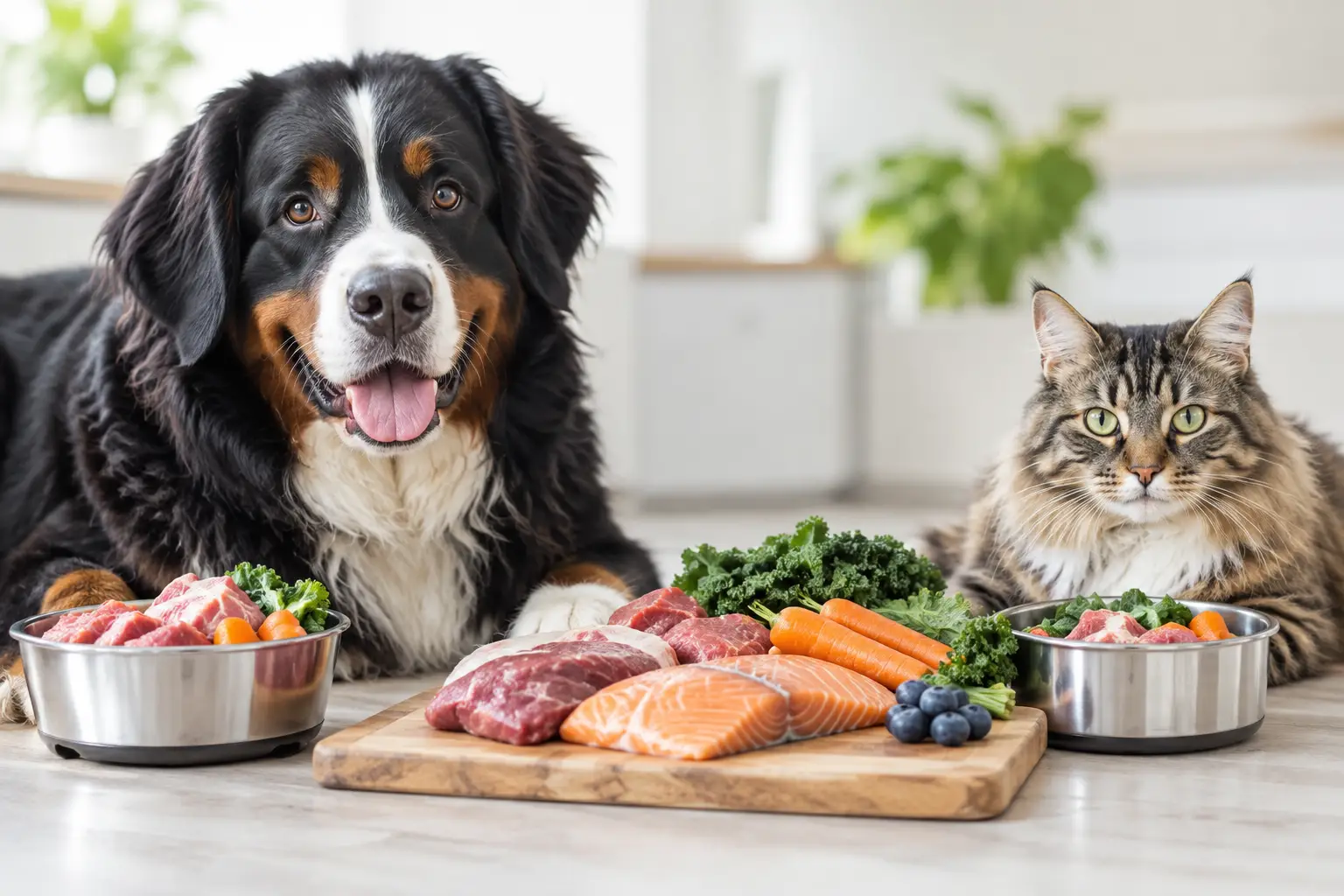
A raw meal can be made with excellent ingredients and still require careful handling. That is the honest starting point for raw food safety. Raw pet food is not sterile, and it should never be treated like a shelf-stable scoop of kibble. The good news is that safe feeding does not require a complicated ritual. It requires a consistent routine: keep food cold, handle it cleanly, serve the right amount, and put leftovers away promptly.
For pet owners who choose raw because they want real, recognizable nutrition, those habits are part of the responsibility. They protect your dog or cat, the people in your home, and the quality of the food you paid for.
Raw Food Safety Starts Before the Bowl
The cold chain matters from the moment food is made until it reaches your pet’s bowl. Frozen raw meals should stay frozen until you are ready to thaw them. If you pick up an order, bring an insulated cooler with ice packs when travel time or warm weather makes it necessary. Go straight home when possible, rather than leaving food in a hot car while finishing errands.
Once home, place meals in the freezer right away unless you plan to use them within the next day or two. This is especially important for scheduled pickup orders. The coordination that makes fresh, small-batch food more affordable also means customers need to be ready to store it properly when it arrives.
Thaw meals in the refrigerator, not on the counter. Room-temperature thawing gives bacteria more opportunity to multiply on the surface of the food. A sealed container or leak-proof bag placed on a rimmed plate is a simple way to prevent drips from reaching produce, leftovers, or ready-to-eat foods in the refrigerator.
Plan the Thaw, Don’t Rush It
A small portion may thaw overnight in the refrigerator, while larger portions can take longer. Plan ahead based on your pet’s normal feeding amount. If you need to separate a larger frozen package into daily portions, do it while it is still partially frozen, use clean utensils, and return unused food to the refrigerator or freezer without delay.
Avoid thawing and refreezing the same meal repeatedly. One accidental change of plans does not automatically mean food must be discarded, but frequent temperature swings reduce quality and create unnecessary food-safety risk. Portioning meals before freezing is one of the easiest ways to avoid that problem.
Use a Clean, Repeatable Feeding Routine
Raw feeding should fit into household life, not turn your kitchen into a laboratory. Still, the basics need to happen every time. Wash your hands with soap and warm water before and after handling raw food. Clean the counter, sink, utensils, and feeding area after preparation. A dishwasher can be useful for bowls and utensils, provided items are dishwasher-safe and run through a full cleaning cycle.
Choose bowls with smooth, nonporous surfaces, such as stainless steel. They are easy to wash thoroughly and do not hold odors or residue the way damaged plastic can. If you use a reusable container program, return containers according to the provider’s instructions. Reuse supports less packaging waste, but only when containers are cleaned, handled, and returned through a disciplined process.
It also helps to keep raw-food tools separate from the tools you use for family meals. A designated scoop, cutting board, and bowl make the routine faster and reduce cross-contact. This is not about fear. It is about creating a system that is easy to follow when you are tired, busy, or feeding pets before work.
Serve What Your Pet Will Finish
Put down the portion your pet is expected to eat at that meal. Most healthy pets eat promptly, which keeps things simple. When a dog or cat walks away, do not leave raw food sitting out for hours. Pick it up after about 15 to 20 minutes, refrigerate it if it is still within a reasonable serving window, or discard it when it has been left out too long or has been heavily contaminated by saliva.
Use common sense alongside the clock. A bowl left in a cool kitchen for a few minutes is not the same situation as food sitting outside on a humid Tennessee afternoon. Heat speeds up the problem. In warm weather, feed indoors whenever possible and keep portions smaller.
Wash the bowl after every meal. Wiping it out is not enough. Food residue, saliva, and moisture create the conditions bacteria like. A quick wash with hot, soapy water takes little time and protects the next meal.
Raw Food Safety Around Kids, Seniors, and Other Pets
Every household has a different risk profile. A healthy adult dog may handle a diet change differently than a young puppy, a senior cat, or a pet with a compromised immune system. The same is true for people. Extra care is warranted in homes with young children, older adults, pregnant people, or anyone with a weakened immune system.
That does not mean every such household must avoid raw feeding. It means the decision deserves a conversation with your veterinarian and a realistic look at the household routine. Can adults supervise feeding? Will children stay away from the bowl and avoid pet kisses immediately after meals? Can everyone reliably wash hands and clean surfaces? The right answer depends on the people and pets under your roof.
Keep pets from sharing bowls. This can spread germs, trigger food guarding, and make it impossible to know who ate what. If you have multiple pets, feed them in separate spaces and collect bowls when they are done. Also avoid letting pets lick faces right after a raw meal, especially children.
Choose Food With Clear Standards and Clear Directions
Ingredient quality matters, but it is only one part of safe raw feeding. Human-grade ingredients and local sourcing can support transparency and freshness, yet they do not remove the need for refrigeration and clean handling. Responsible raw-food companies should be clear about storage, thawing, feeding, and pickup expectations instead of pretending raw food is risk-free.
Look for products with identifiable ingredients, practical handling instructions, and a balanced formulation appropriate for your pet’s life stage. Dogs and cats have different nutritional needs. Cats, in particular, are obligate carnivores and should not be fed a homemade raw recipe unless it has been formulated to meet feline requirements. “Meat only” is not the same as complete and balanced.
At Chew Dat Foods, the focus is on ready-to-eat raw meals made in small batches with real ingredients, but the final step still happens at home. Safe storage and clean bowls are how customers protect the freshness and nutrition built into each meal.
Know When to Pause and Ask for Help
A pet that is new to raw food may have temporary stool changes during a gradual transition, particularly if the switch from kibble happens too fast. That is different from persistent vomiting, ongoing diarrhea, lethargy, refusal to eat, fever, or signs of dehydration. Those symptoms warrant a call to your veterinarian, regardless of what your pet ate.
The same practical rule applies to the food itself. Do not serve a meal if the package is damaged, if it has been left warm for an unknown amount of time, or if it has an unusual odor or appearance. When in doubt, throw it out. A single discarded portion costs less than a sick pet or a preventable problem in your home.
Raw feeding works best when it is intentional. Keep the meals cold, keep the kitchen clean, and feed with the same steady attention you bring to every other part of caring for your pet. That simple discipline lets real food stay what it should be: a practical, nourishing part of a healthy routine.
Leave a Reply