

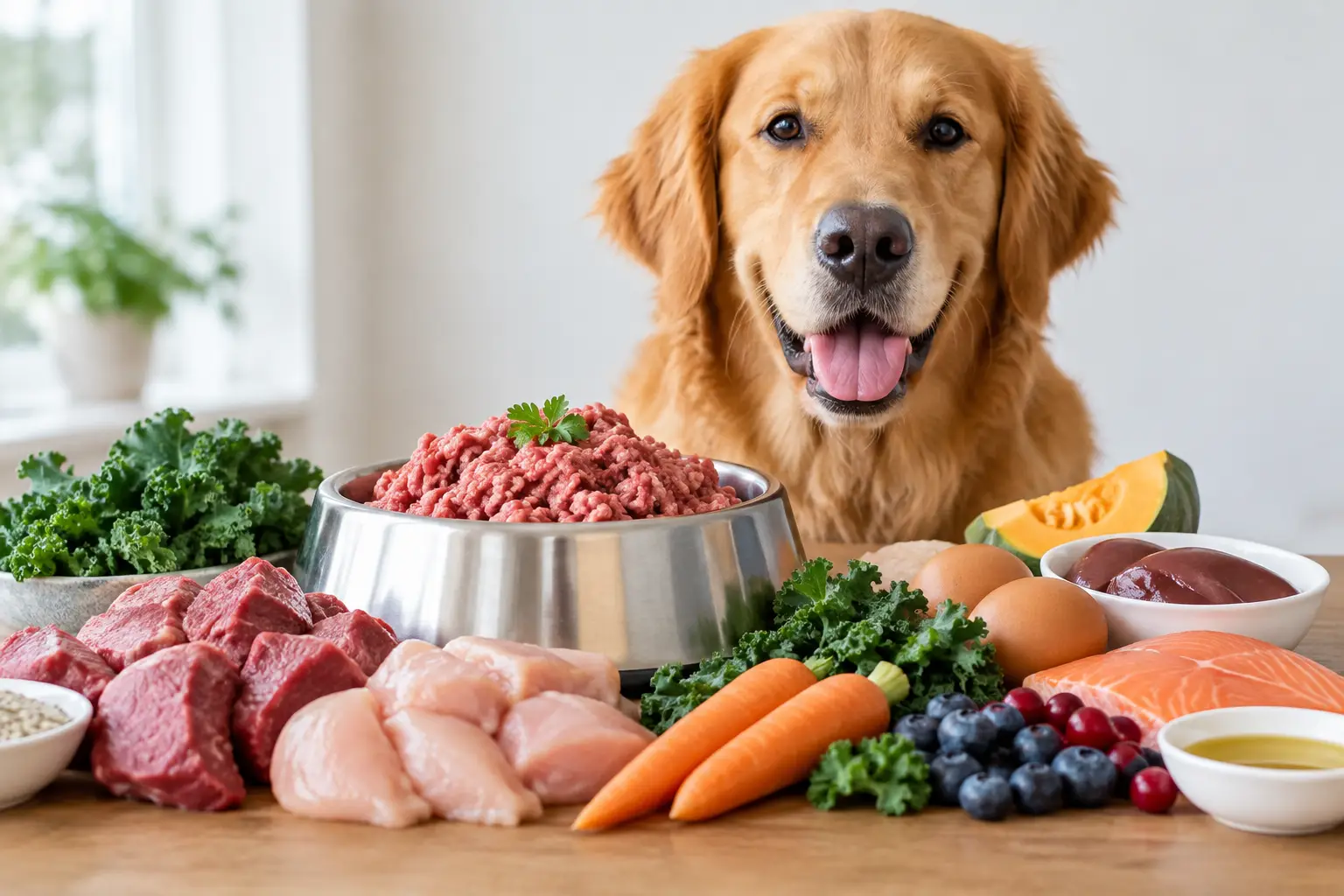
A cat can look perfectly healthy while eating a diet that is quietly missing essential nutrients. That is why asking what ingredients belong in raw cat food is smarter than simply asking whether a meal contains chicken, beef, or another meat your cat enjoys. Cats are obligate carnivores. Their food needs to be built around animal nutrition, with the right organs, minerals, fats, and nutrients in the right proportions.
Raw feeding should not mean tossing raw muscle meat into a bowl and calling it dinner. A quality raw meal is designed to provide complete daily nutrition, not just a tasty protein source. The difference matters for energy, coat condition, muscle maintenance, urinary health, and long-term well-being.
What Ingredients Belong in Raw Cat Food?
A properly formulated raw cat food starts with animal ingredients because that is what a cat’s body is made to use. Cats rely on nutrients that naturally occur in animal tissues, including taurine, preformed vitamin A, arachidonic acid, and highly digestible protein. Plant-heavy formulas and meat-only recipes can both miss the mark, just in different ways.
The foundation should include muscle meat, secreting organs, a carefully managed calcium source, and animal-based fat. From there, a complete formula may include targeted vitamins and minerals to make sure the finished meal meets a cat’s nutritional needs consistently.
The exact recipe can vary by protein and life stage. A kitten, a healthy adult cat, and a senior cat with a diagnosed condition may not need the same formulation. But the core principle stays the same: animal ingredients first, balance always.
Muscle Meat Provides Protein and Essential Amino Acids
Muscle meat should make up the largest share of a raw cat food recipe. Poultry, beef, pork, rabbit, turkey, and other appropriate animal proteins provide the protein cats need to maintain lean muscle and support everyday body functions.
But “muscle meat” means more than boneless breast meat. Dark meat, heart, gizzard, and other meaty cuts bring different nutrient profiles to the bowl. Heart is technically muscle meat, but it is especially valued in cat diets because it naturally contains taurine.
Variety can be useful when it is introduced thoughtfully. Rotating proteins may give healthy cats a broader range of flavors and nutrients, but it is not a reason to change foods every few days. If your cat has a sensitive stomach, a known allergy, or simply prefers routine, a steady formula may be the better choice.
Organs Supply Nutrients Meat Alone Cannot
Organs are not optional extras in a balanced raw cat diet. They are concentrated sources of vitamins and minerals that plain meat does not provide in sufficient amounts.
Liver is particularly valuable because it supplies vitamin A, several B vitamins, iron, and copper. Other secreting organs, such as kidney or spleen, add their own nutrient contributions. The key word is proportion. Too little organ meat can leave nutritional gaps, while too much liver can create excessive vitamin A intake.
This is one reason homemade “prey model” recipes need real care. A meal can contain beautiful, human-grade meat and still be incomplete if organ percentages are guessed rather than formulated.
Calcium Must Balance the Phosphorus in Meat
Raw meat is naturally high in phosphorus and low in calcium. Cats need both, and they need them in an appropriate ratio. Without enough calcium over time, the body may pull calcium from bones to keep vital systems functioning.
A raw diet may provide calcium through finely ground edible bone, a measured bone meal, eggshell calcium, or another properly selected supplement. Ground bone can also contribute trace minerals, but it must be finely ground and included at a level appropriate for cats. Whole bones, bone chunks, and casual estimates are not a reliable way to balance a daily meal.
Calcium is especially critical for growing kittens, pregnant cats, and nursing cats. Their nutritional margin for error is much smaller.
Animal Fat Helps Cats Use Their Food Well
Cats need dietary fat for energy, skin and coat health, and absorption of fat-soluble vitamins. Animal fat also makes food more satisfying and supports the flavor cats naturally prefer.
The right amount depends on the protein source and the individual cat. Lean meats may need a source of animal fat, while naturally fatty proteins may need little adjustment. A cat that is overweight does not necessarily need an ultra-low-fat diet, but calorie intake still matters. Raw food is nutrient-dense, so portions should be based on the cat in front of you, not a one-size-fits-all scoop.
Nutrients That Often Need Careful Formulation
Even a recipe with meat, organs, and calcium may need additional nutrients. This is where commercial formulation or a recipe created by a qualified veterinary nutrition professional has real value.
Taurine deserves special attention. Cats cannot make enough taurine to meet their needs, and inadequate intake can affect the heart, eyes, and reproductive health. While hearts and dark meat contain taurine, the amount in raw ingredients can vary. Many complete raw recipes include supplemental taurine to provide a dependable nutritional safety net.
Other nutrients that may require intentional inclusion include vitamin E, iodine, zinc, manganese, copper, choline, and certain B vitamins. Omega-3 fats from a clean, appropriate animal or marine source may also be used to support skin, coat, and inflammation balance. The need for supplementation depends on the full recipe, not on one ingredient in isolation.
A good raw food label should give you more than a list of appealing meats. Look for a statement that the food is complete and balanced for the intended life stage. “For supplemental feeding only” means it is not meant to be the sole diet, even if the ingredient list sounds impressive.
Ingredients That Do Not Belong as the Foundation
Cats do not need grains, starchy fillers, or large amounts of fruits and vegetables to thrive. Small amounts of certain produce may appear in some formulas, but they should never replace the animal ingredients that drive feline nutrition.
Avoid treating raw cat food like a smoothie bowl for pets. Spinach, kale, blueberries, pumpkin, and similar ingredients may sound wholesome to people, but they are not the nutritional center of a cat’s diet. If included at all, they should have a clear purpose and remain secondary to animal-based nutrition.
You should also be cautious with recipes that rely heavily on fish. Fish can be useful in limited amounts, but it should not automatically become the everyday foundation. Some cats develop strong fish preferences that make future diet changes difficult, and frequent fish-heavy feeding can complicate nutrient balance depending on the ingredients used.
Onions, garlic, grapes, raisins, chocolate, xylitol, cooked bones, and heavily seasoned table scraps do not belong in a cat’s food. Raw diets should be plain, species-appropriate, and precisely portioned.
Ingredient Quality Matters, but Balance Matters More
Human-grade, locally sourced ingredients can be a meaningful standard. They support transparency and can give pet owners a clearer picture of what is entering the bowl. At Chew Dat Foods, that practical transparency is part of the point: pet owners should know they are feeding real food, not mystery ingredients hidden behind vague labels.
Still, quality sourcing alone does not make a diet complete. A bowl of premium chicken thigh is still just chicken thigh. The best raw cat foods pair high-quality ingredients with disciplined formulation, careful batching, and a consistent approach to nutrient balance.
For cats with kidney disease, urinary issues, pancreatitis, food allergies, diabetes, or a history of crystals, do not assume a standard raw formula is automatically appropriate. These cats may need specific nutrient targets. Work with your veterinarian before making a major diet change.
Safe Handling Is Part of Feeding Raw
Raw food requires the same common-sense handling you would use with raw meat for your own kitchen. Keep meals frozen until needed, thaw them in the refrigerator, wash hands and food-contact surfaces, and discard leftovers that have sat out too long.
Use clean bowls and serve portions your cat can reasonably finish. If your household includes infants, elderly adults, pregnant people, or anyone with a compromised immune system, talk with your healthcare provider and veterinarian about whether raw feeding fits your situation. Responsible raw feeding includes protecting the people in the home as well as the pets.
The best ingredient list is not the longest one or the trendiest one. It is a formula built around properly sourced animal ingredients, complete nutrition, and careful handling. When your cat finishes the bowl, what matters most is that every meal is doing the steady, behind-the-scenes work of supporting a healthy life.
Leave a Reply