

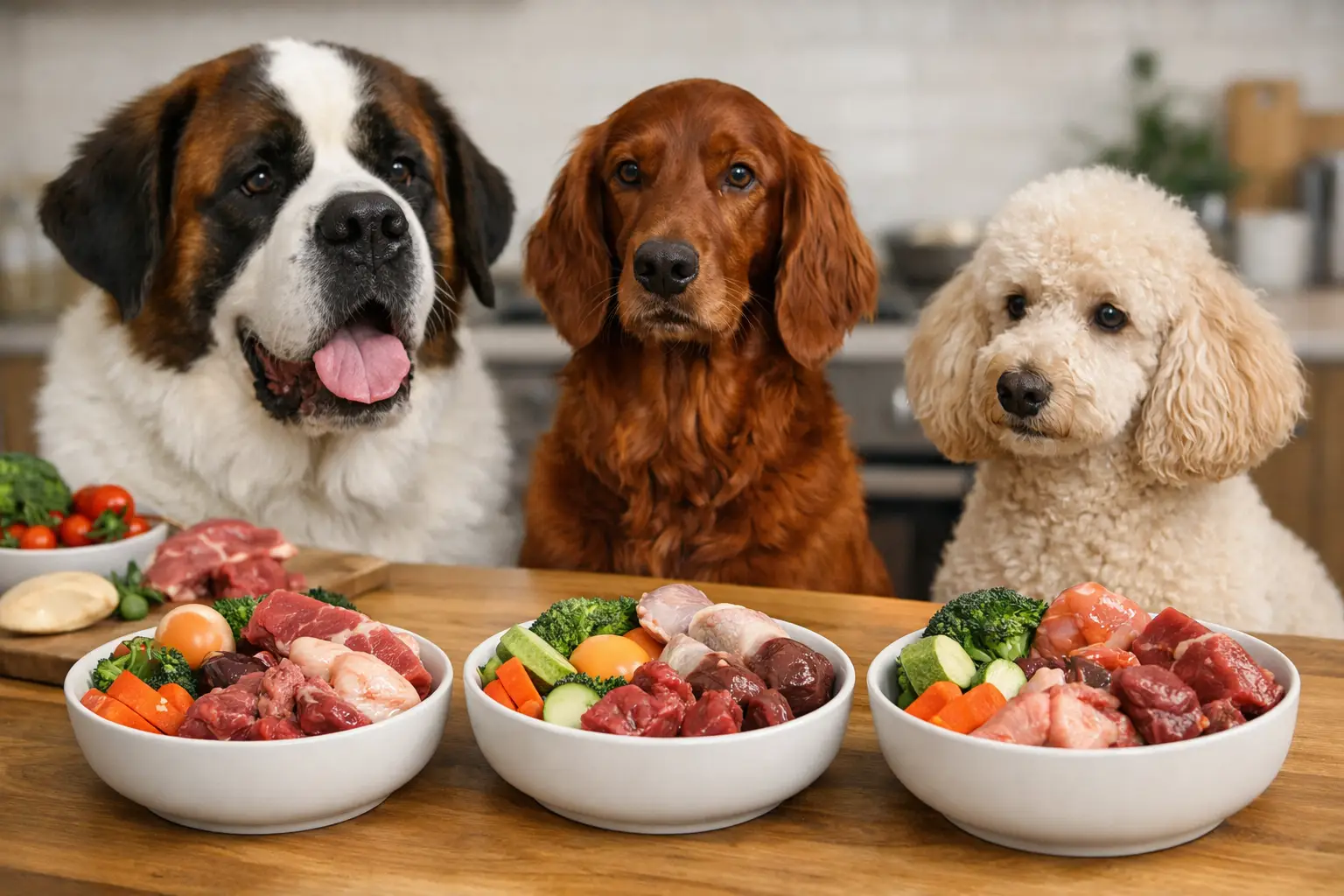
A dog that turns away from dinner can make even the most patient owner second-guess every bag, bowl, and feeding routine. Before you start chasing the next flavor or piling toppers on top of kibble, consider the food itself. Fresh raw meals for picky dogs can offer the aroma, moisture, and real-food texture many reluctant eaters respond to, but success still depends on a balanced recipe, a steady transition, and consistent feeding habits.
A picky dog is not always being difficult. Some dogs have learned to wait for something more exciting. Others are bored with heavily processed food, have reduced interest as they age, or are reacting to a sudden change in routine. A raw diet is not a magic trick, and a dog that suddenly refuses food should be evaluated by a veterinarian. But for healthy dogs with selective eating habits, a properly prepared fresh meal can be a practical reset.
Why fresh raw meals appeal to picky dogs
Dogs experience food through smell long before they take a bite. Fresh meat-based meals have a stronger natural aroma than dry kibble, especially when served thawed rather than refrigerator-cold. Their moisture content also changes the eating experience. Instead of hard, dry pieces that need to be crunched, a fresh meal is soft, savory, and closer to the food many dogs are naturally drawn to.
Ingredient clarity matters, too. A meal built from recognizable proteins, organs, and thoughtfully chosen produce is easier for owners to understand than a long label full of vague byproducts and artificial flavoring. That does not mean every dog needs the same protein or will love the same recipe. Some do best with familiar options such as chicken or beef, while others are more interested in turkey, pork, or a rotation of proteins.
The key is choosing food that is complete and balanced for dogs, not simply raw meat in a container. Muscle meat alone does not provide the right calcium-to-phosphorus balance, essential fatty acids, vitamins, or minerals. A picky dog may happily eat plain ground beef, but enthusiasm is not the same thing as nutritional completeness.
Start fresh raw meals for picky dogs without creating new problems
The biggest mistake owners make is turning every skipped meal into a negotiation. A little cheese today, chicken broth tomorrow, then a different food the next day can teach a healthy dog that waiting brings better options. Fresh raw feeding should make meals clearer, not more complicated.
Start by setting a dependable feeding schedule. Offer the measured meal, give your dog a reasonable amount of time to eat, and then pick up what remains. For most healthy adult dogs, 15 to 20 minutes is enough time to decide. Puppies, dogs with medical conditions, and dogs on a veterinarian-directed feeding plan may need a different approach.
For a dog currently eating kibble, transition gradually. A common starting point is a small portion of raw food mixed into the current diet, then increasing the raw portion over about 7 to 10 days. Dogs with sensitive digestion may need two weeks or longer. Watch stool quality, appetite, energy, and any signs of stomach upset. A brief adjustment in stool can happen with a food change, but persistent diarrhea, vomiting, pain, or refusal to eat calls for veterinary guidance.
Some dogs do better when the foods are served in separate meals during the transition. This is not because kibble and raw food cannot coexist in the same day. It is simply easier to see what your dog tolerates and how much they are actually eating when the meals are straightforward.
Serve it at the right temperature
Many picky dogs will not be impressed by a cold meal straight from the refrigerator. Thaw portions safely in the refrigerator, then let the container sit briefly before serving so the food loses its chill. Do not leave raw food out for hours, and do not use the microwave to warm it. Uneven heating can create hot spots and change the texture of the meal.
If your dog needs a little encouragement at first, use a small amount of warm water mixed into the food. It can bring out the scent without turning dinner into a topping contest. Keep the goal simple: help your dog recognize the meal as food, then let the quality of the meal do the work.
Choose portions based on the dog in front of you
An underfed dog may appear picky because they are uncomfortable, while an overfed dog may have no reason to finish the bowl. Body size is only one part of portioning. Age, activity level, metabolism, body condition, and whether your dog needs to gain or lose weight all matter.
Use feeding guidance as a starting point, then adjust based on your dog’s condition over time. You should be able to feel the ribs with light pressure, see a waist from above, and notice a tucked abdomen from the side. If you are unsure, ask your veterinarian for a body-condition assessment rather than relying on a number on the scale alone.
Know when picky eating is not just picky eating
A dog that has always been selective but remains bright, hydrated, and at a healthy weight is different from a dog that suddenly stops eating. Dental pain, digestive trouble, nausea, medication effects, stress, and other medical issues can all affect appetite. Senior dogs deserve special attention because changes in smell, chewing comfort, and underlying health can change how they eat.
Call your veterinarian promptly if your dog refuses food for more than a day, seems lethargic, repeatedly vomits, has diarrhea that does not resolve, loses weight, drools excessively, or shows signs of pain when chewing. Puppies and very small dogs can become vulnerable more quickly, so do not wait for a prolonged refusal before asking for help.
Raw food is also not the right choice for every household. People with compromised immune systems, very young children, or family members who cannot reliably follow food-safety routines should discuss their options with a veterinarian or medical professional. Responsible raw feeding requires clean hands, clean bowls, cold storage, and a real commitment to handling the food correctly.
Food safety is part of feeding well
Fresh food deserves disciplined handling. Keep raw meals frozen until you are ready to thaw them, thaw portions in the refrigerator, and use them within the recommended time after thawing. Wash hands with soap and water before and after handling food, clean preparation surfaces, and wash your dog’s bowl after every meal.
Do not let your dog carry raw food around the house or leave unfinished portions sitting out. Pick up the bowl, refrigerate only if it is still within the safe serving window, and discard food that has been left out too long. The same standards you would use for your own kitchen apply here.
For families who value less waste, reusable containers can make practical sense, but they only work when they are returned clean and on schedule. Chew Dat Foods uses a reusable container program because keeping good food accessible should not mean creating unnecessary packaging waste. That same respect for the product should carry into your home storage and cleanup routine.
Give the new routine time to work
Do not judge a transition after one meal. Some dogs clean the bowl immediately; others need several calm, predictable meals to accept something new. Avoid hovering, pleading, or offering a string of replacements. Feed at roughly the same times, keep treats sensible, and make sure everyone in the household follows the same plan.
Treats can quietly undermine appetite. If your dog receives dental chews, training treats, table scraps, or snacks throughout the day, reduce them while you are evaluating the new meal. You need an honest picture of whether your dog is hungry and how they respond to the food, not a dog who has already filled up between meals.
A good fresh raw meal should earn your dog’s interest without relying on artificial tricks. When the recipe is balanced, the ingredients are handled properly, and the routine stays consistent, picky eating often becomes less of a daily battle. The goal is not to make your dog eat anything placed in front of them. It is to give them a meal worth coming back to, then give their body and habits enough time to catch up.
Leave a Reply