

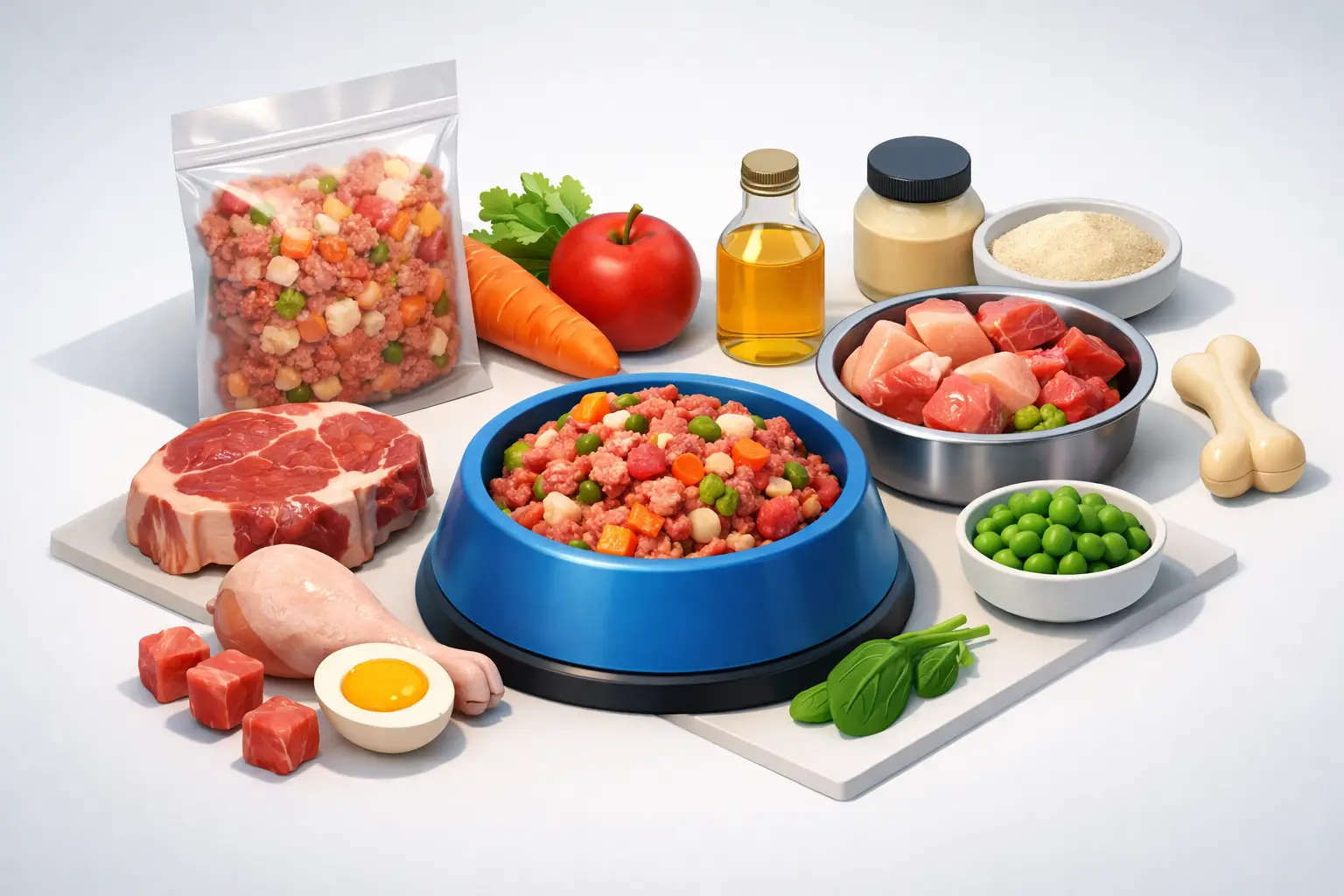
Raw feeding gets called expensive for a reason. If you have ever priced out boutique patties, overnight shipping, and tiny portions in flashy packaging, you have probably wondered how anyone keeps it up long term. But affordable raw dog food is not a contradiction. It usually comes down to how the food is sourced, how it is made, and whether the business is built around pet health or retail markup.
That distinction matters if you want better nutrition without turning every meal into a budgeting exercise. The goal is not to find the cheapest possible raw food. The goal is to find real value – balanced meals made from quality ingredients at a price you can actually sustain.
What affordable raw dog food should really mean
A lot of pet owners hear the word affordable and assume corners are being cut. Sometimes that is true. If a raw product is suspiciously cheap, you should ask what is missing, what fillers are being used, or whether the diet is actually complete.
But affordable raw dog food can also mean a company has made smart operational choices. Small-batch production, local sourcing, direct fulfillment, and planned pickup or route delivery can all lower cost without lowering standards. When a business spends less on middlemen, retail shelf placement, and throwaway packaging, that savings can go back into the food.
That is the version of affordability worth paying attention to. You are not looking for bargain-bin meat. You are looking for a feeding model that keeps ingredient quality high and unnecessary costs low.
Why raw dog food often costs more than kibble
Kibble is cheap for reasons that have nothing to do with superior nutrition. It is shelf stable, mass produced, heavily processed, and built for long storage and wide distribution. Raw food is the opposite. It requires fresher ingredients, careful handling, cold storage, and faster fulfillment.
Human-grade proteins and organs cost more than feed-grade inputs. Balanced raw recipes also require more than muscle meat alone. If the food includes organ meat, bone content or appropriate calcium sources, and a thoughtful mix of ingredients, you are paying for a fuller nutritional profile, not just calories.
There is also a scale issue. Many raw pet food businesses are not giant manufacturing operations. They produce in smaller runs, often with tighter sourcing standards. That can raise the sticker price, but it does not automatically mean the product is overpriced. It depends on what you are getting and how efficiently the business is run.
Where the price gets inflated
Some of the highest costs in raw feeding have very little to do with the meal itself. Fancy insulated shipping, individual retail packaging, national distribution, and heavy brand marketing all add expense. So does poor planning.
If a company builds its model around direct regional delivery or scheduled co-op style pickups, it can avoid a lot of those add-ons. Reusable containers can reduce recurring packaging costs. Producing to order helps limit waste. Those are practical decisions, and practical decisions are often what make premium food more accessible.
This is where experienced pet owners start to see the difference between price and value. A food may cost more per pound than kibble while still offering better use of your money because you are paying for actual ingredients rather than processing, fillers, and retail overhead.
How to judge value in affordable raw dog food
Start with the ingredient panel, but do not stop there. A short, clear ingredient list is useful if it also reflects balance. Muscle meat alone is not enough. You want to understand whether the meal is formulated to support a dog over time, not just look appealing in a freezer bag.
Sourcing matters too. Locally sourced ingredients can improve freshness and help control transportation costs, especially when the company is serving a defined region instead of trying to ship everywhere in the country. That kind of model often supports both quality control and affordability.
Portion practicality also matters. If the food is easy to serve, correctly portioned, and ready to eat, you are less likely to waste product or underfeed and overfeed. Convenience is not a luxury here. It helps with consistency, and consistency is part of feeding well.
Finally, pay attention to transparency. A trustworthy raw food company should be clear about what is in the food, how ordering works, how pickup or delivery works, and what the customer is responsible for. Clear operations are usually a good sign of a serious food business.
Affordable raw dog food is easier when the business model is disciplined
This is the part many buyers miss. Raw feeding becomes more affordable when the company itself is disciplined. That means production schedules are planned. Ordering deadlines are firm. Delivery routes are organized. Packaging waste is reduced. Customers know when and where to pick up.
That kind of structure may feel less casual than grabbing a bag off a shelf, but it is often what keeps prices from drifting upward. It also supports freshness. Instead of producing huge volumes and hoping they sell, a smarter operation can match production more closely to actual demand.
For pet owners in regional service areas, this can be a real advantage. If you are willing to order ahead and work within a scheduled pickup or delivery system, you may be able to access better food at a more reasonable price than national shipped brands.
What trade-offs are worth it and which are not
There is always a trade-off somewhere. The question is whether it helps your dog or just helps a marketing department.
A fixed ordering window is a reasonable trade-off if it means fresher food and lower cost. Reusable containers are a reasonable trade-off if they reduce waste and keep prices steadier. Driving to a local pickup point can be a reasonable trade-off if it saves you from paying high shipping costs every month.
What is not a good trade-off is sacrificing balance, ingredient quality, or food safety just to hit a lower price. A diet that leaves out essential components is not affordable if it creates health problems later. Meat scraps sold as complete nutrition are not a bargain. Neither is a product that makes big health claims but stays vague about sourcing and composition.
Who benefits most from affordable raw dog food
Not every dog has the same needs, and not every owner has the same routine. But affordable raw dog food tends to make the most sense for people who are ready to feed with intention. These are owners who want better stools, cleaner teeth, shinier coats, steady energy, and fewer mystery ingredients in the bowl.
It also fits households that think in terms of systems. If you can keep freezer space, follow an ordering schedule, and stay on top of portions, raw feeding becomes far more manageable. That is especially true when the food arrives ready to serve rather than as a DIY project.
For families in places like Knoxville, Winchester, Fredericksburg, or Frederick, regionally coordinated delivery and pickup can make raw feeding far more practical than many people expect. You do not always need a national subscription box to feed well. Sometimes the better option is closer, more direct, and better organized.
How to keep raw feeding affordable over time
The first step is choosing a food you can actually stay with. A premium meal that strains your budget every month is not a stable solution. Consistency matters more than chasing extremes.
It helps to feed by accurate portion rather than guesswork. Overfeeding turns any diet into an expensive one. So does buying too much and letting freezer burn or poor storage ruin product. Keep your routine simple enough that you will follow it.
You should also look for a company that respects your budget by respecting its own operations. Brands that source carefully, produce in small batches, and cut waste in packaging and logistics are often in a better position to offer fair pricing without cutting ingredient quality. That is one reason Chew Dat Foods has built its model around ready-to-eat meals, coordinated fulfillment, and reusable containers instead of expensive extras that do nothing for the dog.
The bottom line on price and pet health
If your dog is doing well on a balanced raw diet, the value shows up in more than the bowl. Pet owners often notice changes in coat quality, energy, stool consistency, and overall condition. That does not mean raw is magic, and it does not mean every dog responds the same way. But better inputs often lead to better outcomes.
Affordable raw feeding works best when expectations are realistic. You are not trying to beat kibble on bare sticker price. You are trying to get closer to real-food nutrition at a cost that feels responsible month after month. When quality sourcing, straightforward operations, and practical delivery come together, that goal is not out of reach.
The smartest feeding plan is the one you can trust, afford, and follow consistently – because your dog benefits most from good food that actually stays in the routine.
Leave a Reply