

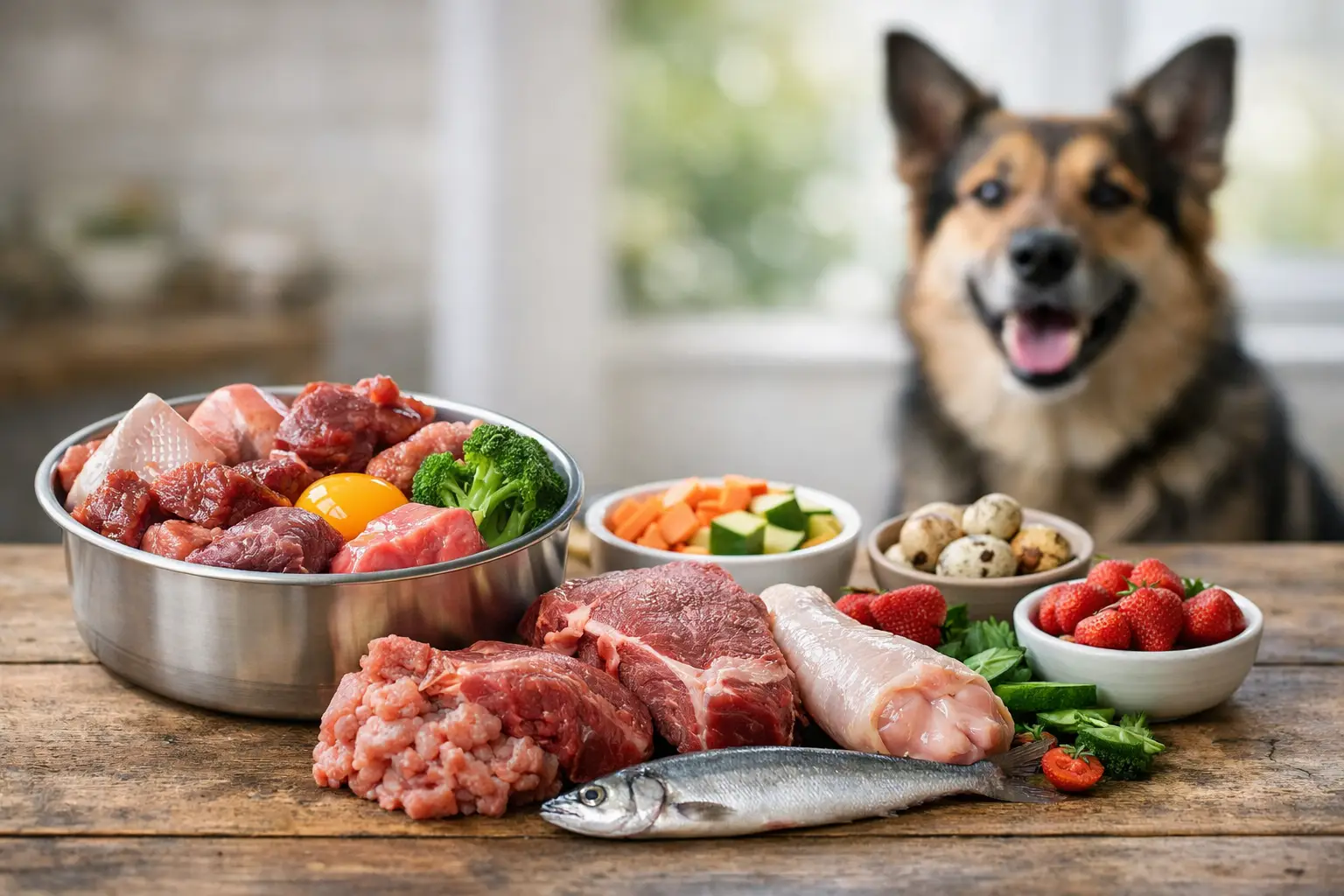
A lot of dog owners do not switch to raw because of a trend. They switch because something is not working. Their dog has dull coat, inconsistent stools, low energy, bad breath, chronic itchiness, or they are simply tired of pouring heavily processed pellets into a bowl and hoping for the best. That is where raw dog food benefits become a serious conversation, not a marketing one.
When a diet is built from real meat, organ, bone, and other purposeful ingredients, you are feeding nutrients in a form dogs are built to use. That does not mean every dog needs the same formula, and it does not mean raw is magic. It does mean many owners see clear changes when they move from ultra-processed food to balanced raw meals made with transparent ingredients.
Why raw dog food benefits often show up fast
The first changes people notice are usually visible. Stool volume often gets smaller and firmer. Breath can improve. Coats may look shinier within weeks. Some dogs carry better muscle tone and more stable energy once their meals stop relying on fillers and heavy starch.
That quick improvement makes sense. Dogs digest animal-based foods efficiently, and when you remove a lot of unnecessary extras, the body has less waste to push through. Better input often means better output.
Still, speed depends on the dog in front of you. A healthy young dog may adjust quickly. A senior dog with a sensitive stomach, a history of poor diet, or underlying health issues may need a slower transition and more patience.
Better digestion starts with simpler, species-appropriate food
Digestion is one of the biggest reasons owners look into raw feeding. Many commercial diets contain ingredients chosen for shelf life, manufacturing convenience, and cost control. Raw meals, when properly balanced, tend to be more straightforward. You can actually identify what your dog is eating.
That matters for dogs with sensitive stomachs. A shorter, cleaner ingredient panel can make it easier to spot what works and what does not. Many owners report less gas, more regular bowel movements, and fewer loose stools after switching.
This is also where balance matters most. Raw feeding is not just throwing meat into a bowl. Dogs need the right ratio of muscle meat, organ, bone, and supportive ingredients. Too much bone can cause constipation. Too much rich organ meat can upset the stomach. The benefit comes from a complete raw meal, not a guess.
Skin, coat, and itch issues may improve
If your dog is constantly scratching, shedding excessively, or dealing with dry skin, food is worth looking at. One of the most talked about raw dog food benefits is healthier skin and coat, and for good reason.
Real animal fats and naturally occurring nutrients support skin health in a way many processed diets struggle to match. When dogs eat better fats and fewer unnecessary additives, their coats often become softer, shinier, and easier to manage. Some owners also see less flaky skin and fewer recurring hot spots.
That said, not every itch problem is food. Environmental allergies, grooming products, seasonal changes, and medical issues can all play a role. A better diet can help support the skin barrier, but it is not a stand-in for veterinary care when symptoms are severe or persistent.
Teeth and gums often benefit from less processed food
Bad breath is easy to dismiss until you realize it is usually connected to what is happening in the mouth. Dogs eating processed food all day can still develop tartar and gum irritation, even if the label sounds premium.
Raw feeding may support oral health in a few ways. First, dogs are not eating sticky, starchy food that can cling to teeth. Second, diets based on fresh ingredients tend to support overall gum health. Some dogs also benefit from appropriate raw meaty bones, though that needs to be handled carefully and responsibly.
It is worth being practical here. Raw food can support dental health, but it does not guarantee spotless teeth. Some dogs still need regular cleanings, especially as they age. Genetics, chewing habits, and breed traits all matter.
Steadier energy and stronger body condition
Owners often say their dog seems more like themselves again after switching to raw. That can mean more enthusiasm on walks, better stamina, improved focus, or simply a healthier body composition.
A balanced raw diet delivers protein and fat in a form that supports lean muscle and steady energy. Instead of relying on carbohydrate-heavy formulas, the dog gets nutrients from ingredients their body is better equipped to use. For active dogs, working breeds, and dogs that lose condition on kibble, this can make a visible difference.
There is a flip side here too. Portion control still matters. Raw feeding is not automatically weight loss food. If a dog is overfed, weight gain will happen whether the calories come from kibble or raw. The benefit comes from quality and balance, not from feeding without structure.
Ingredient transparency is a health benefit too
One of the less flashy raw dog food benefits is knowing what is actually in the bowl. That matters more than many people realize.
With transparent sourcing and clearly identified ingredients, you are not left guessing what “meat meal” or “animal by-product” means this week. You can make informed decisions, especially if your dog has sensitivities or if you simply want more control over long-term nutrition.
For families who plan their pet care carefully, this kind of clarity matters. It supports consistency, and consistency is a real part of health. Dogs generally do better when their food is not constantly changing in quality, composition, or digestibility.
The biggest benefit depends on whether the food is truly balanced
Here is the part that gets skipped too often. Raw can be excellent, but only when it is done right.
A balanced raw diet should be built to meet a dog’s nutritional needs over time, not just look good in a photo. Feeding random cuts of grocery store meat is not the same as feeding a complete meal. Dogs need calcium, trace minerals, organ content, and proper formulation. Puppies, seniors, and highly active dogs may have different needs than a healthy adult house dog.
This is why many owners prefer ready-to-eat raw meals instead of trying to formulate everything themselves. It removes a lot of room for error and makes long-term feeding more realistic. A disciplined feeding routine also helps. Ordering ahead, storing food properly, serving the right amount, and following safe handling practices are part of doing raw responsibly.
Raw feeding works best for owners who want real consistency
Raw is not convenience food in the same way shelf-stable kibble is. It asks more from the owner. You need freezer space. You need to plan ahead. You need to handle food safely and stick to a feeding routine.
For many people, that extra effort is worth it because the payoff is visible in the dog. Better stools, healthier coat, cleaner ingredients, and stronger day-to-day vitality are not small things. They are quality-of-life issues.
If you are in areas like Knoxville, Winchester, Fredericksburg, or Frederick, access to fresh prepared raw through scheduled pickup or coordinated delivery can make this feeding style much more practical. That is one reason family-run companies like Chew Dat Foods have built systems around small-batch production and planned fulfillment. It keeps food fresh, keeps standards high, and helps make premium raw feeding more manageable for committed pet owners.
When raw may need a slower approach
Not every dog should switch overnight. Dogs with medical conditions, a history of pancreatitis, or very sensitive digestion may need a more gradual transition and closer guidance. Some owners also need time to learn portioning, storage, and meal handling before they feel fully comfortable.
That is normal. Good feeding decisions are rarely about chasing extremes. They are about finding a method you can maintain and a diet your dog can thrive on.
If you are considering raw, the goal is not perfection on day one. The goal is feeding a cleaner, more biologically appropriate diet with consistency and care. When that happens, the benefits tend to speak for themselves in your dog’s coat, digestion, energy, and overall condition.
Feed the dog in front of you, pay attention to results, and choose food you can trust enough to serve every day.
Leave a Reply