

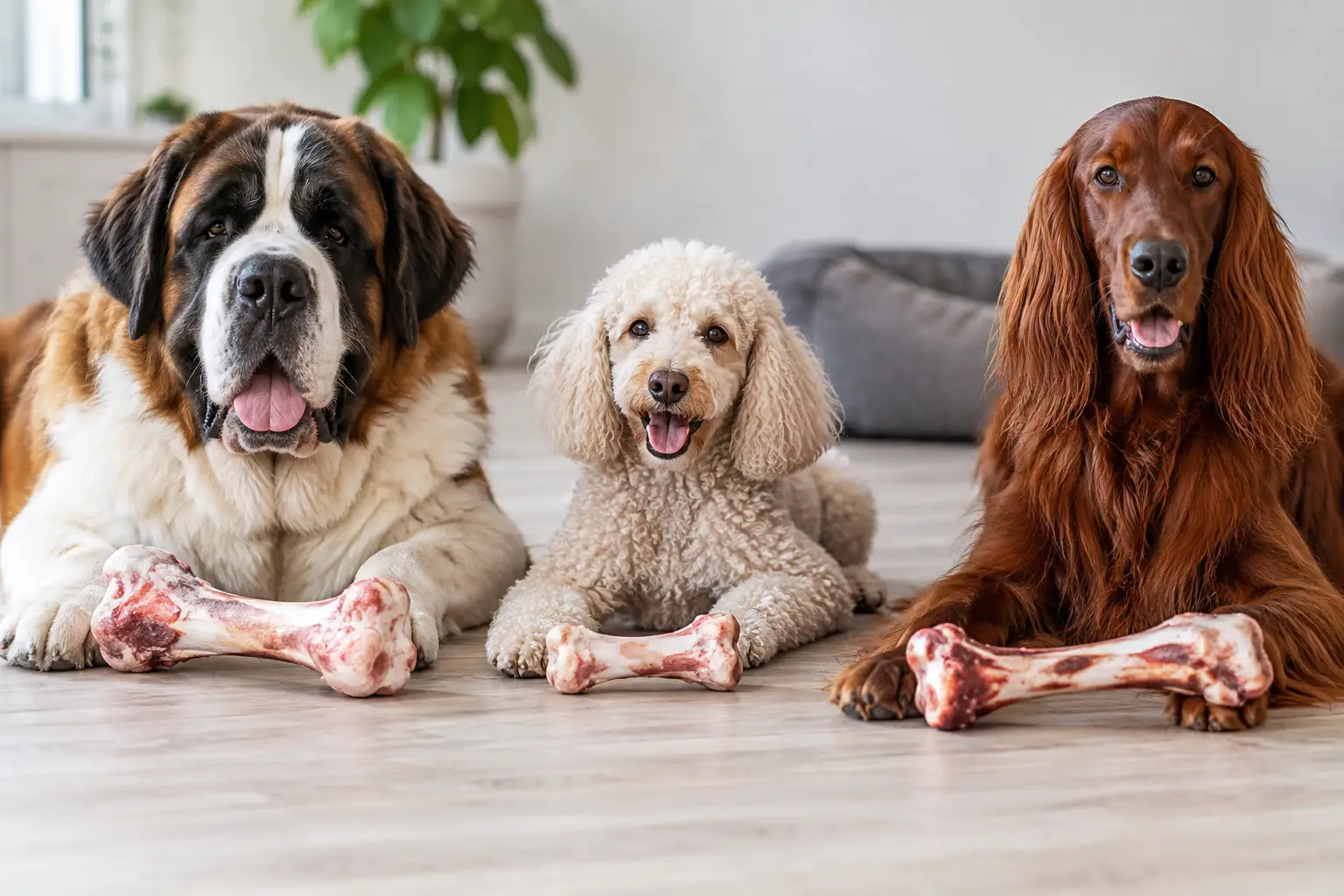
A raw marrow bone can keep some dogs happily occupied for 20 minutes. For another dog, that same bone can become a chipped tooth, a swallowed chunk, or an emergency vet visit. That is why “are raw bones safe” does not have one blanket yes-or-no answer. The bone, the dog, the way it is offered, and the owner’s supervision all matter.
Raw bones are often presented as a natural answer to chewing and dental health. There is some truth in that: appropriate chewing can provide enrichment, and the scraping action may help reduce soft buildup on teeth. But natural does not automatically mean low-risk. A responsible feeding plan puts your dog’s safety ahead of a popular feeding rule.
Are Raw Bones Safe for Dogs?
Raw bones are generally less likely to splinter than cooked bones, but they are not risk-free. Cooking changes a bone’s structure, making it dry and brittle. That is why cooked chicken, turkey, pork, rib, and steak bones should stay off the menu. They can break into sharp pieces that can injure the mouth, throat, stomach, or intestines.
Raw bones retain more moisture and flexibility, which can make them a safer option in the right situation. Still, a raw bone can fracture a tooth, lodge in the mouth, cause choking, or create a blockage if a dog bites off and swallows a piece that is too large. Bones also carry bacteria just as raw meat does, so food-handling discipline matters for pets and people alike.
The practical answer is this: raw bones can be an acceptable supervised chew for some healthy adult dogs, but they are not necessary for every dog and they are never a hands-off treat.
The Bone and the Dog Must Match
A bone that is reasonable for a gentle, experienced chewer may be a bad choice for a power chewer or a dog that gulps food. Size is the first rule. Choose a bone that is substantially larger than your dog’s muzzle so it cannot be swallowed whole or pulled into the back of the mouth.
Density matters, too. Weight-bearing bones from large animals, such as hard beef femur sections or knuckles, can be hard enough to crack teeth. Dogs do not always know when to stop. A determined chewer can put enough force on an extremely dense bone to damage a premolar or molar, and dental repairs are painful and expensive.
Softer, edible raw bones are different from heavy recreational bones. In a properly formulated raw meal, finely ground edible bone may provide calcium and phosphorus as part of the overall recipe. That is a nutrition question, not a chewing question. Ground bone in a balanced meal is not the same thing as handing a dog a large raw bone for entertainment.
Your dog’s chewing style is just as relevant as the bone itself. Watch how they handle a new chew. A dog that settles in and gnaws gradually is different from a dog that crushes, snaps, and tries to swallow every piece quickly. The second dog is not a good candidate for raw bones, even if the bone is marketed for dogs of that size.
Puppies, seniors, dogs with damaged teeth, dogs with a history of stomach or intestinal problems, and dogs that have had dental work need extra caution. A veterinarian who knows your dog’s health history can help you decide whether a bone belongs in their routine at all.
Raw Bone Safety Starts Before the Chew
If you decide to offer a raw bone, treat it like raw food. Keep it frozen or refrigerated until use, thaw it safely in the refrigerator, and use a clean dish or mat that can be washed thoroughly afterward. Wash your hands after handling it, and keep the bone away from areas where children eat or play.
Do not leave a raw bone sitting out for hours. Once it has been chewed, warmed, and covered in saliva, it is not something to save indefinitely in the fridge. Follow the same common-sense standard you would use with raw meat: when in doubt, throw it out. Do not refreeze a heavily chewed, thawed bone for another day.
Supervision is non-negotiable. Sit nearby and watch the first few sessions closely, even with a dog you consider a careful chewer. Remove the bone if it becomes small enough to swallow, if sharp fragments break away, or if your dog starts trying to gulp it. A chew should be a controlled activity, not something handed over while everyone leaves the house.
For many dogs, short sessions are smarter than an all-afternoon chew. Taking the bone away while your dog is still calmly working on it helps limit excess consumption and reduces the chance that the final small piece becomes a swallowing hazard.
When Raw Bones Are Not the Right Choice
Skipping raw bones is not a failure to feed naturally. Plenty of dogs thrive on a balanced raw diet without recreational bones. In fact, a complete diet should not depend on random bones to fill nutritional gaps. Calcium, phosphorus, and other nutrients need to be provided in appropriate amounts and balanced with the rest of the food.
Raw bones are also a poor fit for dogs that guard high-value items. If your dog stiffens, growls, or snaps when approached near a bone, do not try to prove a point by taking it away. That situation can put people at risk and can make guarding worse. Work with a qualified behavior professional and choose safer enrichment options in the meantime.
Dogs with a habit of swallowing objects, eating too fast, or suffering repeated digestive upset should generally avoid them. The same goes for households where consistent raw-food sanitation is unrealistic. There is no prize for feeding a bone if the process creates unnecessary risk.
Safer alternatives can still meet the need to chew and work. Durable rubber food toys, frozen stuffed toys, and appropriately sized veterinary-approved dental chews can offer enrichment with more predictable risk. The best choice depends on what your dog does with it, not what looks most impressive in a feeding photo.
Signs a Bone May Be Causing Trouble
A dog may act normal immediately after swallowing something problematic, so pay attention after any bone-chewing session. Contact a veterinarian promptly if you see repeated gagging, choking, heavy drooling, pawing at the mouth, vomiting, a swollen or painful belly, straining to defecate, bloody stool, sudden refusal to eat, or unusual lethargy.
A broken tooth can be easy to miss at first. Watch for chewing only on one side, dropping food, reluctance to eat crunchy food, facial swelling, or sensitivity when the face is touched. Dental pain is still pain, even when a dog keeps wagging their tail.
Never induce vomiting unless a veterinarian specifically tells you to do so. Sharp or bulky material can cause more damage coming back up. If you believe your dog swallowed a dangerous piece, call your veterinarian or an emergency veterinary clinic and explain what was swallowed, when it happened, and how your dog is acting.
Keep the Goal in Focus
The goal of feeding should be a healthier, happier dog, not checking a box because raw bones are part of somebody else’s routine. At Chew Dat Foods, we believe real-food nutrition works best when it is handled with the same care that goes into sourcing and preparing it. That includes being honest about where a food or chew fits and where it does not.
If your dog is a calm, supervised chewer and you can choose and handle the bone responsibly, a raw bone may be an occasional enrichment tool. If your dog is a gulper, a power chewer, medically vulnerable, or difficult to supervise, skip it without guilt. A balanced meal, clean handling, and a choice that matches your individual dog will always matter more than the bone itself.
Leave a Reply