

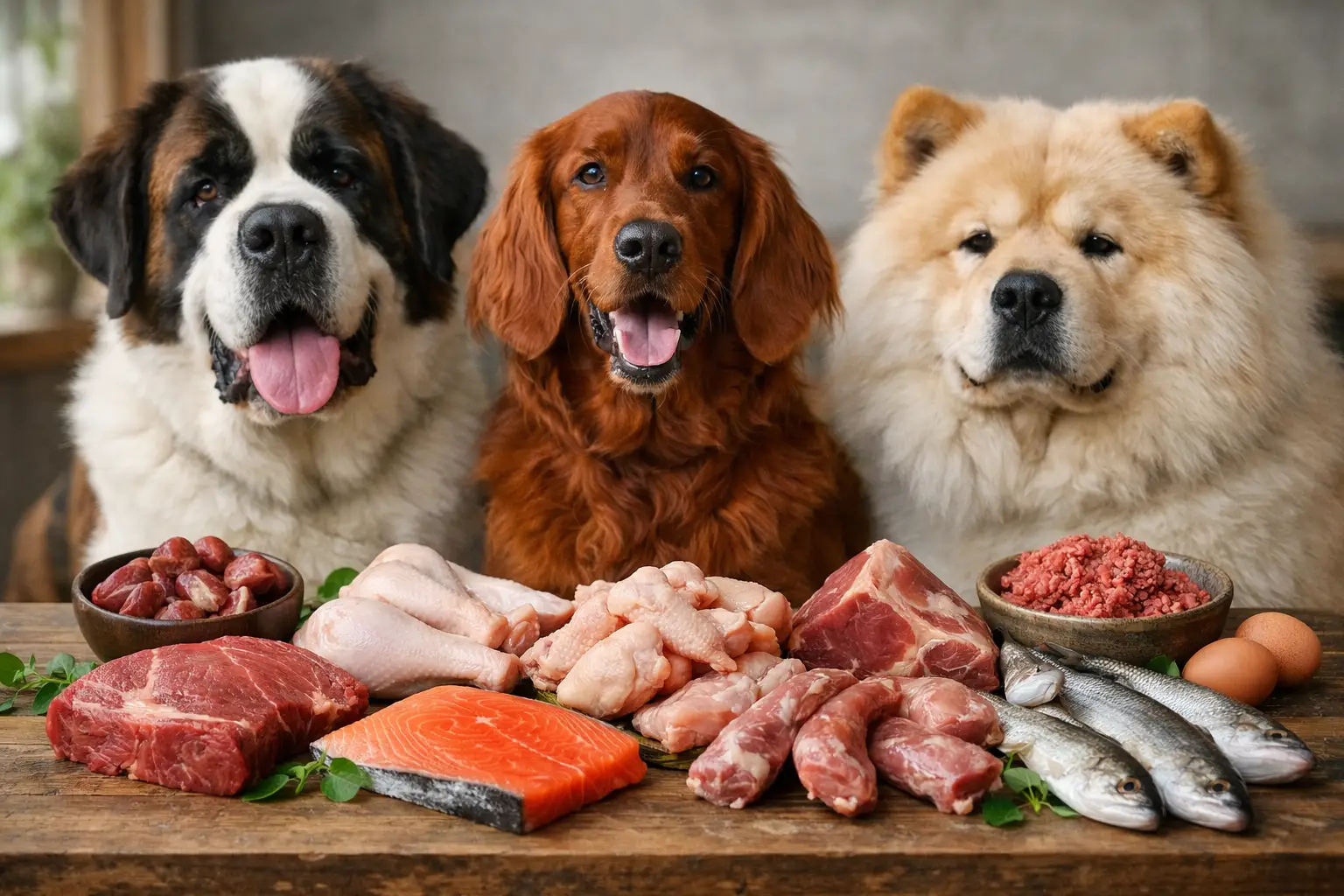
A dog can do beautifully on chicken while another gets itchy, loose stools, or simply loses interest after a few weeks. That is why the best proteins for raw fed dogs are not determined by what is most expensive, rarest, or trendiest. They are the proteins your individual dog can digest well, maintain a healthy body condition on, and receive as part of a properly balanced raw diet.
Protein choice matters, but it is only one part of the bowl. A raw meal still needs the right balance of muscle meat, organs, calcium, essential fats, vitamins, and minerals. Feeding plain ground meat or rotating random cuts may provide plenty of protein, but it does not reliably provide complete nutrition.
What Makes a Protein Right for Your Dog?
Start with your dog’s results, not the label. Healthy digestion, steady energy, a shiny coat, good muscle tone, normal stool, and an appropriate weight are practical signs that a protein is working. One loose stool after a new food does not automatically mean an intolerance, especially during a fast transition. Consistent problems are what deserve attention.
A good protein also has to fit your dog’s life stage and calorie needs. A hard-working, naturally lean dog may handle richer beef, duck, or lamb very well. A dog that gains weight easily, has a sensitive stomach, or needs a lower-fat diet may do better with leaner options such as turkey, rabbit, or selected chicken formulas.
Age matters, too. Puppies need precise nutrition for healthy growth, not a loosely assembled raw bowl. Senior dogs may need adjustments based on mobility, appetite, kidney function, dental ability, and changes in body condition. If your dog has pancreatitis, kidney disease, recurring urinary issues, or a diagnosed food allergy, make protein choices with your veterinarian’s guidance.
Best Proteins for Raw Fed Dogs: A Practical Look
There is no universal number-one protein. Each has strengths, and each comes with trade-offs.
Chicken: Accessible and Often Easy to Feed
Chicken is a common starting point because it is widely available, generally palatable, and can work well in balanced raw meals. It provides quality amino acids and can be relatively lean depending on the cut and formulation. For many households, it is also one of the more practical proteins to feed consistently.
Chicken is often blamed for allergies because so many dogs have eaten it before. Familiarity is not proof that it is causing a problem. If a dog has repeated itching, ear inflammation, or digestive trouble while eating chicken, investigate with a controlled plan rather than guessing. A true food trial requires consistency and should not include chicken-flavored treats, chews, toppers, or supplements that muddy the picture.
Beef: Nutrient-Dense but Often Richer
Beef is a dependable protein for active dogs and dogs that need help holding condition. It is naturally rich in nutrients such as iron and zinc, and most dogs find it highly appealing. The downside is fat. Some beef-based meals are significantly richer than poultry-based options, which can be too much for dogs prone to digestive upset or unwanted weight gain.
Pay attention to the full recipe, not just the word beef on the package. A balanced lean beef meal can feed very differently from a blend built with fatty trimmings. If stool becomes soft or greasy-looking after introducing beef, reduce the amount, slow the transition, or choose a leaner formula.
Turkey: Lean, Familiar, and Useful for Rotation
Turkey is often a solid choice for dogs that need a moderate-to-leaner protein option without moving to a more exotic ingredient. It can be especially useful in a rotation with beef or duck, helping keep overall dietary fat in a reasonable range.
Turkey is not automatically better for every sensitive dog. Any protein can be a poor match for a particular animal. Still, it is a practical staple when your dog digests it well and the meal is nutritionally complete.
Duck and Lamb: Great for Some Dogs, Rich for Others
Duck and lamb bring variety and are frequently useful for dogs that have spent years eating chicken and beef. Both are generally more calorie-dense and richer than turkey or rabbit, which can be helpful for thin, active dogs or picky eaters.
That richness can also be the limiting factor. A sedentary dog may gain weight quickly on these proteins, and a dog with a history of pancreatic trouble may not tolerate them. Feed the dog in front of you, not the protein’s reputation.
Pork: A Quality Option When Properly Sourced
Pork is sometimes overlooked, but inspected, responsibly sourced pork can be a highly digestible and flavorful protein for dogs. It offers useful variety for dogs that have become bored with poultry and beef. As with beef, fat levels vary widely by cut and formula.
The source matters. Raw feeding should never mean taking chances with questionable meat, wild game, or improper storage. Use meals prepared with food safety, ingredient sourcing, and appropriate formulation in mind.
Rabbit and Other Novel Proteins: Useful, Not Magic
Rabbit is naturally lean and can be a valuable option for dogs that need a less common protein. It is often appealing for elimination-style feeding plans because many dogs have not been exposed to it before. However, novel does not mean superior, and it does not guarantee an allergy-free outcome.
These proteins can also be harder to source consistently and may cost more. If rabbit works well for your dog, it does not need to become the only food they ever eat. A stable rotation of tolerated proteins is often more realistic and more sustainable for most families.
Fish: Excellent Support, Usually Not the Whole Rotation
Oily fish can provide omega-3 fatty acids that support skin, coat, joints, and normal inflammatory response. Fish is valuable in a raw diet, but it should be used thoughtfully. It is not always the ideal everyday base protein, particularly if a meal is not formulated to account for its nutrient profile.
Species, sourcing, freshness, and formulation matter. Fish should be part of a complete feeding plan, not an occasional handful of raw fillets added without considering calories, bones, or nutrient balance.
Variety Helps, but Constant Change Is Not the Goal
Protein rotation can broaden the nutrient profile of a raw diet and prevent one ingredient from doing all the work. It can also help owners identify what their dogs handle best. But switching proteins every day is not necessary, and for a dog with a touchy stomach, it may create more confusion than benefit.
A better approach is to establish one complete, well-tolerated protein first. Once stool, appetite, and body condition are steady, introduce a second protein gradually. Many dogs do well rotating every few weeks or using a few proteins across a month. The right pace depends on the dog.
When adding something new, change one variable at a time. Do not introduce duck, a new treat, a probiotic, and a different feeding schedule in the same week. If your dog reacts, you need a clear idea of what changed.
Protein Alone Does Not Make a Balanced Raw Diet
This is where well-meaning raw feeders can get into trouble. Muscle meat is not a complete diet, no matter how high-quality it is. Dogs need adequate calcium relative to phosphorus, controlled amounts of liver and other secreting organs, essential fatty acids, and a range of micronutrients. Growing dogs are especially vulnerable to nutritional mistakes.
A ready-to-eat raw meal should be formulated as a complete diet for the intended life stage, not simply marketed as a blend of premium meats. Human-grade ingredients and local sourcing are meaningful quality standards, but they do not replace nutritional balance. Both matter.
At Chew Dat Foods, the goal is to make real-food feeding practical without asking families to become full-time nutritionists. That means looking beyond a single impressive protein and focusing on meals that are balanced, handled responsibly, and fed consistently.
Introduce New Proteins Without Creating Chaos
For a healthy adult dog, begin with a small amount of the new complete meal mixed into the current meal. Increase it gradually over roughly seven to ten days, or more slowly if your dog has a history of digestive sensitivity. Watch stool quality, appetite, scratching, ear irritation, gas, and energy level.
If your dog develops persistent vomiting, diarrhea, facial swelling, severe itching, or lethargy, stop experimenting and contact your veterinarian. Those signs deserve more than a casual food swap. Keep a simple feeding note with the protein, date, portion, treats, and symptoms. It can save a lot of guesswork later.
Handle raw food with the same discipline you would use for your own kitchen: keep it cold, thaw safely in the refrigerator, wash hands and surfaces, and do not leave meals sitting out. Good ingredients need good handling all the way to the bowl.
The best protein is the one that helps your dog thrive while fitting a complete, dependable feeding routine. Start with what your dog tolerates, add variety with purpose, and let consistent results guide the next bowl.
Leave a Reply