

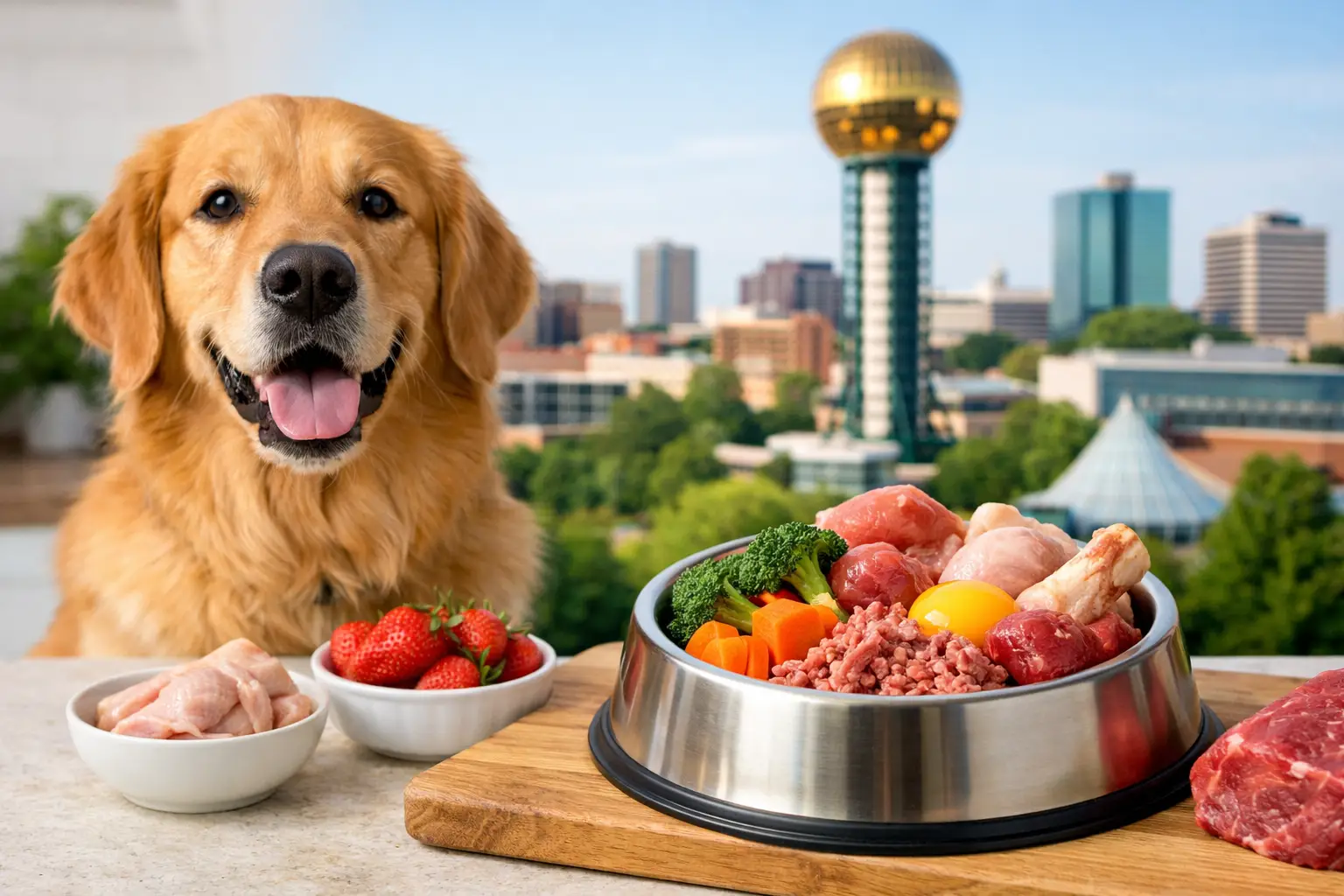
If your dog is scratching more than usual, leaving half the kibble behind, or dropping loose stools on your morning walk, the problem may not be picky eating. For many families looking into raw dog food Knoxville options, the real issue is that heavily processed food is not working for their dog anymore. Pet owners usually start searching for raw after they have tried the treats, the toppers, and the brand switches and still are not seeing the kind of health they want.
That search makes sense. A well-made raw diet can support cleaner ingredients, better digestibility, and more visible results than many conventional foods. But not all raw feeding is equal, and not every product marketed as raw is actually balanced, practical, or worth the price. If you are feeding a family pet and not building meals from scratch in your kitchen every week, what matters most is quality, consistency, and a system you can actually stick with.
What makes raw dog food in Knoxville worth considering
The appeal of raw feeding is straightforward. Dogs do best on food built from real animal protein, organs, bone, and produce chosen with purpose, not fillers added to stretch a formula. When meals are made from human-grade ingredients and handled carefully, owners often notice better appetite, smaller stools, improved coat condition, healthier gums, and steadier energy.
That said, raw is not magic. If the food is poorly sourced, nutritionally sloppy, or fed without a plan, it can create as many problems as it solves. Some dogs need a slower transition. Some have medical conditions that require veterinary input before changing diets. Puppies, seniors, and dogs with known digestive issues may need extra attention to portioning and formula selection.
The biggest benefit comes when raw feeding is both biologically appropriate and operationally realistic. Good nutrition only helps if you can afford it, store it correctly, and keep your dog on it consistently.
Raw dog food Knoxville shoppers should look past the label
A package can say raw and still leave out the details that matter. What you want to know is where the ingredients come from, whether the meals are complete and balanced, how the food is produced, and how the company handles freshness from production to pickup.
Start with sourcing. If a company cannot clearly explain its proteins, organ content, produce choices, and standards for ingredient quality, that is a problem. Premium raw food should not depend on vague language. Human-grade ingredients and local sourcing are meaningful because they point to accountability, not because they sound nice on a label.
Next comes formulation. A dog cannot thrive on muscle meat alone. Balanced raw meals need the right ratio of meat, organ, and bone, plus other nutrient-dense ingredients when appropriate. Too much bone can lead to constipation. Too little organ can reduce nutrient density. Meals should be built to feed consistently, not just to photograph well.
Then there is handling. Fresh raw food requires discipline. Small-batch production, scheduled ordering, and organized pickup are not inconveniences when done right. They are part of what protects product quality and keeps waste down. Families who want a healthier food usually also want a system they can trust.
Why convenience matters more than most people admit
A lot of pet owners are open to raw feeding until they picture the weekly hassle. They assume they will need to grind meat at home, chase down ingredients from multiple stores, and figure out nutrition as they go. That is one reason many people stay with kibble longer than they want to.
Ready-to-eat raw changes that equation. When meals are pre-portioned, balanced, and packed for scheduled pickup or coordinated local delivery, the process gets much simpler. You still need freezer space and you still need to plan ahead, but you are not trying to become a canine nutritionist between work and dinner.
That planning piece matters. A disciplined pickup model is often what makes premium raw more affordable. It cuts down on retail overhead, avoids excess packaging, and helps producers make food in efficient small batches. For customers, that usually means better ingredients at a fairer price than many boutique brands sold through traditional shelves.
The trade-off between price and quality is not always what it seems
Many people assume raw feeding is automatically too expensive. Sometimes it is. Boutique branding, heavy packaging, and fragmented distribution can drive prices up fast. But the question is not just what the bag or container costs upfront. The better question is what you are paying for.
If you are buying a highly processed food with lower-value ingredients and then also paying for digestive chews, skin supplements, dental products, and constant trial-and-error, that budget is not as efficient as it looks. On the other hand, raw feeding only makes financial sense if the food is produced responsibly and sold through a practical system.
That is where a local, small-batch approach can make a real difference. Businesses like Chew Dat Foods keep costs more grounded by coordinating co-op style pickups, reducing packaging waste through reusable containers, and staying focused on direct fulfillment rather than expensive retail placement. That model is not built for impulse shoppers. It is built for committed pet owners who want better food without paying for unnecessary extras.
Is raw right for every dog?
Not automatically. Some dogs transition quickly and do great within days. Others need a gradual shift over a couple of weeks. If your dog has pancreatitis, severe allergies, immune concerns, or a complicated medical history, you should be thoughtful before changing food.
There is also the owner side of the equation. Raw feeding works best for people who are willing to follow storage guidelines, monitor portions, and place orders on time. If you know you regularly run out of food and grab whatever is available at the last minute, raw may feel frustrating until your routine changes.
Still, many Knoxville-area pet owners are not looking for perfect. They are looking for better. Better stool quality. Better energy. Better ingredients. Better transparency. Those are reasonable goals, and they do not require fanaticism. They require a dependable food and a feeding plan you can maintain.
How to choose a raw dog food provider in Knoxville
Look for a company that talks plainly about what is in the food and how the process works. You should be able to understand the proteins used, the sourcing standards, the pickup or delivery schedule, and what is expected from you as the customer.
You also want signs of real experience, not just marketing. Family-run operations with years of hands-on dog care often bring a level of practicality that larger brands miss. They know customers need clear instructions, consistent meals, and honest answers. They also tend to understand that affordability matters, especially for multi-pet households.
Ask yourself a few practical questions. Is the food complete and balanced for routine feeding? Is it made with ingredients you would feel good about handling in your own kitchen? Is the ordering process predictable? Does the company have a freshness plan instead of a vague promise? Can you see how the logistics support quality rather than just convenience?
Those details are not secondary. They are the difference between a raw diet that sounds good online and one that actually works in real life.
A healthier feeding routine starts with consistency
Switching to raw does not need to be dramatic. For most dogs, the best results come from feeding quality meals consistently, watching their response, and making sensible adjustments when needed. You do not need hype. You need clean ingredients, balanced nutrition, and a system that respects both your dog’s health and your time.
For pet owners weighing raw dog food Knoxville options, that is the standard worth holding. Real food should look like real food. The people making it should be clear about what they do. And the process should be organized enough that you can keep showing up for your dog month after month.
Your dog does not care about trends. Your dog cares about what lands in the bowl every day. Feed with that in mind, and the right choice usually gets a lot clearer.
Leave a Reply