

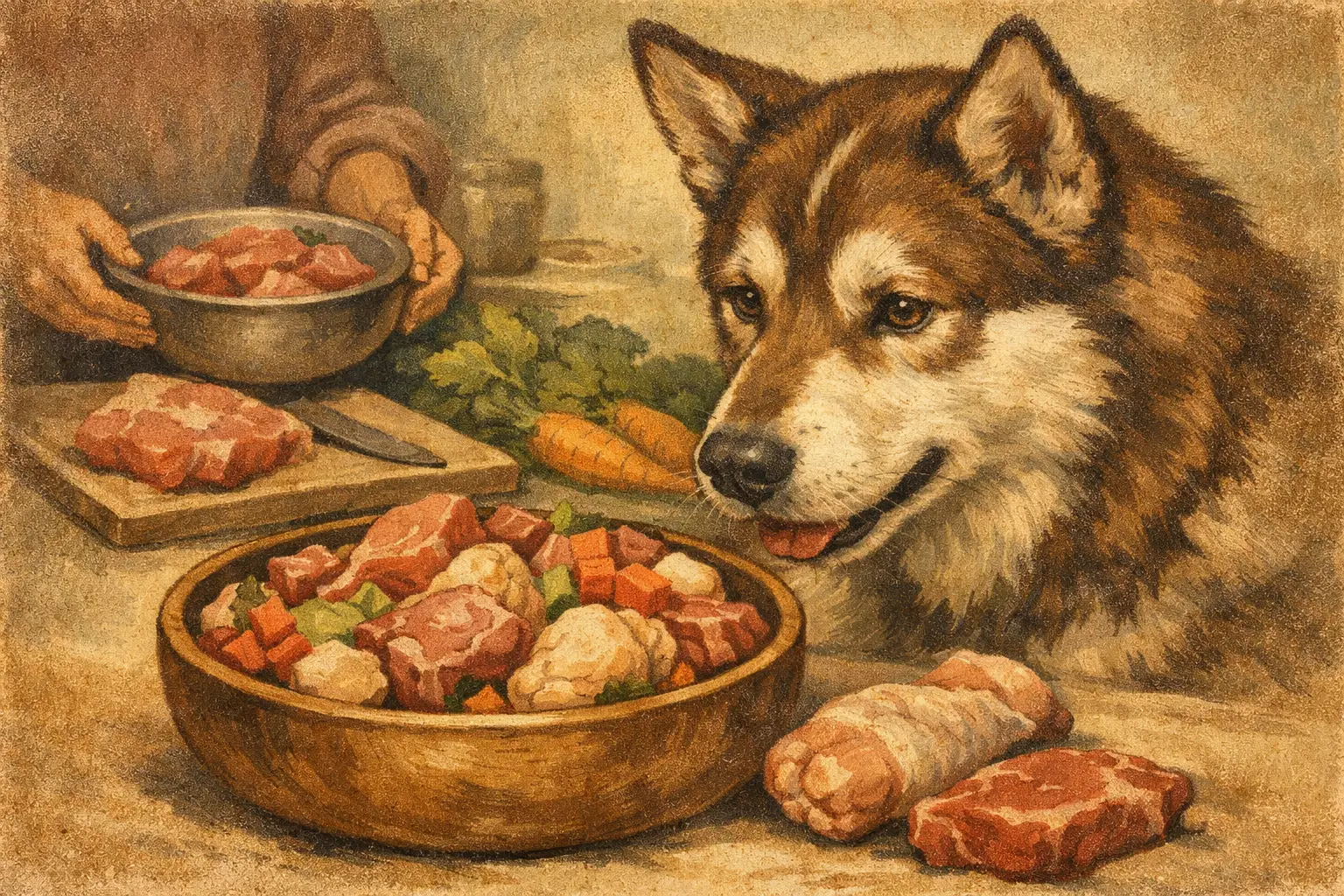
If your dog scratches more than usual, leaves half their kibble in the bowl, or seems low on energy by mid-afternoon, the food deserves a closer look. A lot of owners ask the same question: is raw food good for dogs? The honest answer is yes for many dogs, but only when the food is balanced, handled correctly, and fed with some common sense.
That matters because raw feeding is not magic, and it is not a free-for-all either. Dogs can do very well on raw food, but the quality of the ingredients, the balance of the recipe, and the consistency of the feeding plan all make a real difference.
Is raw food good for dogs in real life?
For a healthy dog eating a properly balanced raw diet, the benefits are often easy to spot. Owners commonly notice better stool quality, cleaner teeth, less greasy skin, a shinier coat, and more steady energy. Those changes are not coming from a trend. They usually come from feeding real animal protein, moisture-rich food, and fewer fillers.
Most kibble is heavily processed and shelf-stable by design. That convenience works for some households, but processing changes the food. Raw meals keep ingredients closer to their natural state, which appeals to owners who want simpler nutrition and recognizable ingredients in the bowl.
Dogs are also built to handle meat-based diets well. Their teeth, stomach acidity, and digestive systems reflect that. That does not mean every raw meal is automatically healthy, but it does mean the concept itself is not strange or unnatural for dogs.
Why some dogs improve on raw
The biggest difference many owners see is digestibility. When dogs eat food made from quality meat, organs, and other purposeful ingredients instead of a long list of starches and byproducts, the body often uses more of what it is being fed. That can mean smaller stools, fewer digestive issues, and better body condition.
Skin and coat improvements are another common reason people stay with raw feeding. Dogs dealing with dull coats, flaky skin, or mild itchiness sometimes respond well when the diet shifts to one that is richer in natural fats and free from unnecessary additives.
Dental health can improve too, although that depends on the full feeding routine. Some raw-fed dogs have less tartar buildup and better breath, especially when the diet avoids sugary fillers and overly processed ingredients. That said, raw food is not a replacement for regular dental care. It is one part of the bigger picture.
There is also the issue of hydration. Raw food contains natural moisture, while kibble is dry by nature. For dogs that do not drink enough water on their own, moisture in the bowl can support digestion and overall comfort.
When the answer is not a simple yes
This is where a lot of online advice goes sideways. Raw food can be good for dogs, but not every dog should switch in the same way, and not every raw product is worth feeding.
A poorly formulated raw diet can create problems over time. If the food is heavy on muscle meat but missing key nutrients, your dog may seem fine for a while and still end up with deficiencies. Calcium and phosphorus balance matters. Organ content matters. Trace minerals matter. Puppies, seniors, and dogs with medical conditions need even more care.
Some dogs also need a slower transition. If a dog has a sensitive stomach, a history of pancreatitis, immune system concerns, or a condition that requires a tightly managed prescription diet, the feeding decision gets more specific. In those cases, the right question is not just is raw food good for dogs. It is whether raw food is a good fit for this dog, with this health history, at this stage of life.
That is an important distinction, and responsible raw feeding starts there.
The biggest mistake people make with raw feeding
The biggest mistake is assuming raw means balanced.
A bowl of ground meat is not a complete diet. Neither is tossing your dog random cuts from the grocery store and hoping it works out. Dogs need complete nutrition over time, and that takes planning. Ready-to-eat raw meals should be formulated with balance in mind, not just marketed with pretty labels.
This is one reason many dog owners prefer prepared raw food over doing everything from scratch. It removes the guesswork, improves consistency, and makes it easier to stay on track. For busy families, consistency matters almost as much as ingredient quality. If a feeding plan is too complicated to maintain, most people will not keep doing it.
What to look for in a raw diet
If you are evaluating whether raw food is good for your dog, pay attention to what is actually in the food and how the company handles production. Start with sourcing. You want clear ingredient standards, quality proteins, and no mystery around where the food comes from.
Next, look at formulation. A strong raw diet is not just meat-heavy. It is built to provide a complete nutritional profile. That means the recipe should include the right mix of muscle meat, organ content, and supporting ingredients, with portioning that makes sense for regular feeding.
Handling matters too. Raw food must be prepared, stored, and delivered with discipline. Small-batch production, reliable cold-chain practices, and direct fulfillment all help protect freshness and quality. That kind of operational consistency is easy to overlook, but it is a big part of feeding raw responsibly.
For many owners, practical access matters as well. Raw feeding gets easier when the process is organized, the ordering schedule is clear, and the food arrives ready to serve. That is part of what makes long-term success possible.
Is raw food good for dogs compared to kibble?
For many dogs, yes. But the comparison should be honest.
A good raw diet often offers higher moisture, less processing, and more recognizable ingredients than standard kibble. Those are meaningful advantages. On the other hand, kibble is easier to store, easier to travel with, and usually simpler for last-minute feeding.
So the better option depends on what you can manage well. If a household wants better nutrition and is willing to plan ahead, store food properly, and stay consistent with feeding, raw can be a strong choice. If someone wants convenience above all else and is not prepared for frozen storage or safe handling, they may struggle to do raw well.
That does not make kibble automatically bad or raw automatically better in every single case. It means feeding decisions work best when they match both the dog’s needs and the owner’s habits.
Safety concerns and how to handle them
The safety conversation around raw food is real, and it should be taken seriously without turning into fear-based marketing. Raw feeding requires clean handling. Food should stay frozen or refrigerated as directed, bowls should be washed, preparation surfaces should be cleaned, and portions should not sit out too long.
That is not unusual. People already follow similar steps when handling raw meat in their own kitchens. The key is to treat pet food with the same level of respect.
It also helps to buy from companies that take sourcing and preparation seriously. Human-grade ingredients, local sourcing, small-batch production, and straightforward fulfillment practices all support a better standard. That is part of why many families choose prepared raw meals from companies like Chew Dat Foods rather than trying to piece everything together on their own.
Who tends to do best on raw?
Healthy adult dogs often transition well, especially those dealing with dull coats, inconsistent stools, pickiness, or low enthusiasm at mealtime. Active dogs can do very well on raw when the diet supports their energy needs. Some senior dogs also benefit from more digestible, moisture-rich meals, though calorie levels and underlying conditions need attention.
Puppies can thrive on raw too, but this is where balance becomes even more critical. Growth stages leave less room for error. Large-breed puppies in particular need careful nutritional support.
If your dog has a chronic health condition, the smartest move is to evaluate the full picture before changing diets. Raw may still be a fit, but the plan should be more deliberate.
So, is raw food good for dogs?
For many dogs, yes. A balanced raw diet made with quality ingredients can support digestion, coat health, dental health, hydration, and overall vitality. But the benefits come from doing it right, not just doing it raw.
Choose food with clear sourcing, real formulation standards, and a feeding process you can stick with. Feed the dog in front of you, not a trend. When the nutrition is sound and the routine is practical, real food can make a real difference.
Leave a Reply